
Understanding Local Building Codes: Essential for Successful Project Execution
When embarking on a construction project, whether it’s a new build or a renovation, understanding local building codes is crucial. These codes are a set of regulations that ensure safety, health, and general welfare as they relate to the construction and occupancy of buildings. Failing to adhere to these codes can result in costly delays, fines, and even the need to demolish and rebuild non-compliant structures.
What Are Local Building Codes?
Local building codes are specific regulations adopted by a city or county that dictate the standards for constructed objects such as buildings and non-building structures. These codes are designed to ensure that buildings are safe, accessible, and sustainable. They cover a wide array of areas including structural integrity, electrical systems, plumbing, fire safety, and energy efficiency.
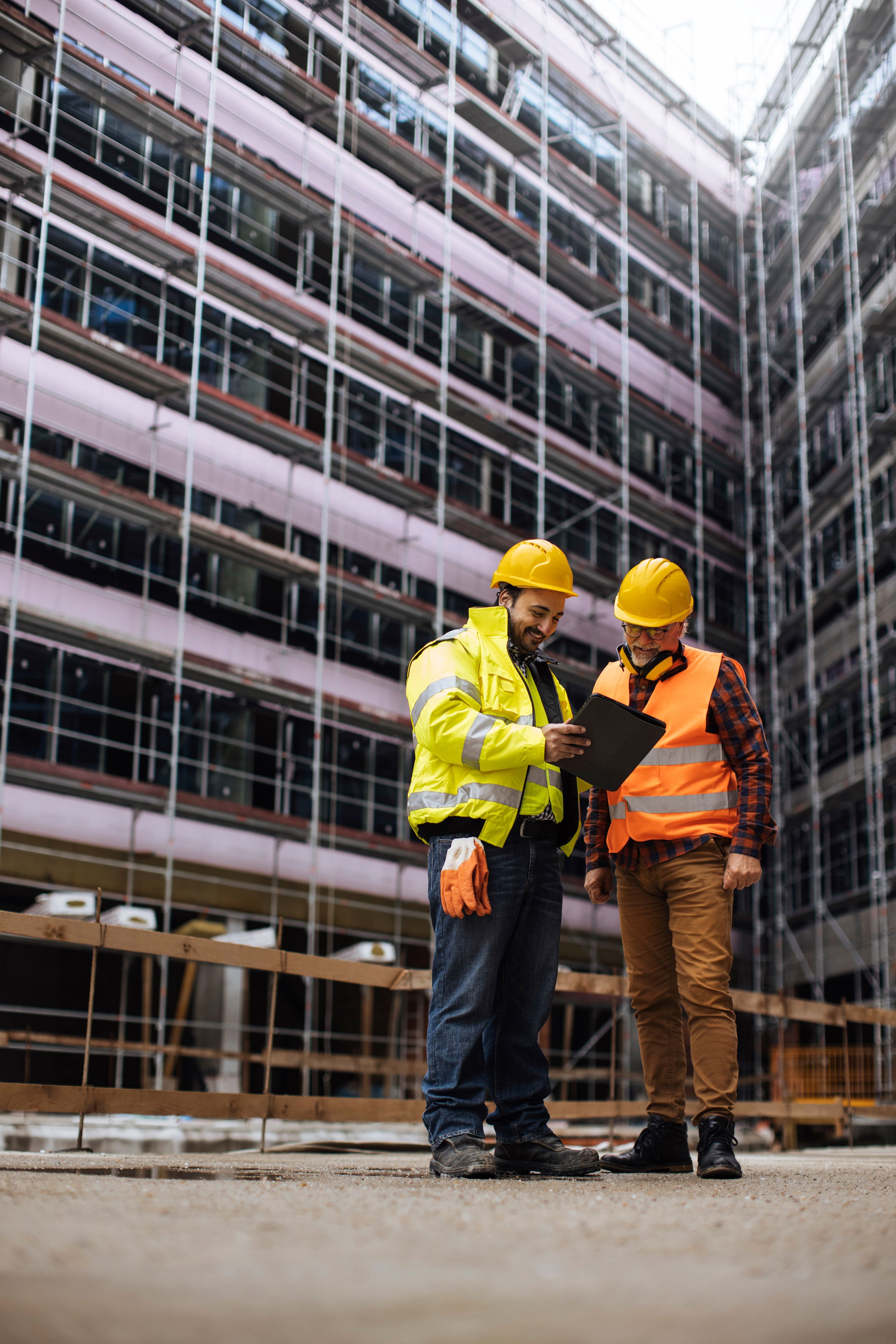
Each locality may have its own set of codes, often based on a model code like the International Building Code (IBC) but adapted to meet local needs and conditions. It’s essential for builders, architects, and developers to familiarize themselves with these specific requirements before starting any project.
The Importance of Compliance
Adhering to local building codes is not just a legal obligation but also a key factor in ensuring the safety and success of a construction project. Non-compliance can lead to several negative outcomes:
- Legal Penalties: Fines and legal action can be taken against those who fail to comply with building codes.
- Project Delays: Non-compliance can lead to work stoppages until issues are resolved.
- Increased Costs: Modifications to meet code requirements can be expensive if not planned from the outset.
Therefore, understanding and implementing these codes from the beginning can save time, money, and resources in the long run.

Steps to Ensure Compliance
To ensure that your project complies with local building codes, it’s advisable to follow these steps:
- Research: Start by researching the specific building codes in your area. Local government websites and building departments are valuable resources.
- Consult Professionals: Engage architects, engineers, or consultants who are familiar with local codes. Their expertise can be invaluable in navigating complex regulations.
- Plan Thoroughly: Include code requirements in your project plan from the beginning to avoid costly redesigns.
- Regular Inspections: Conduct regular inspections during the construction phase to ensure ongoing compliance.
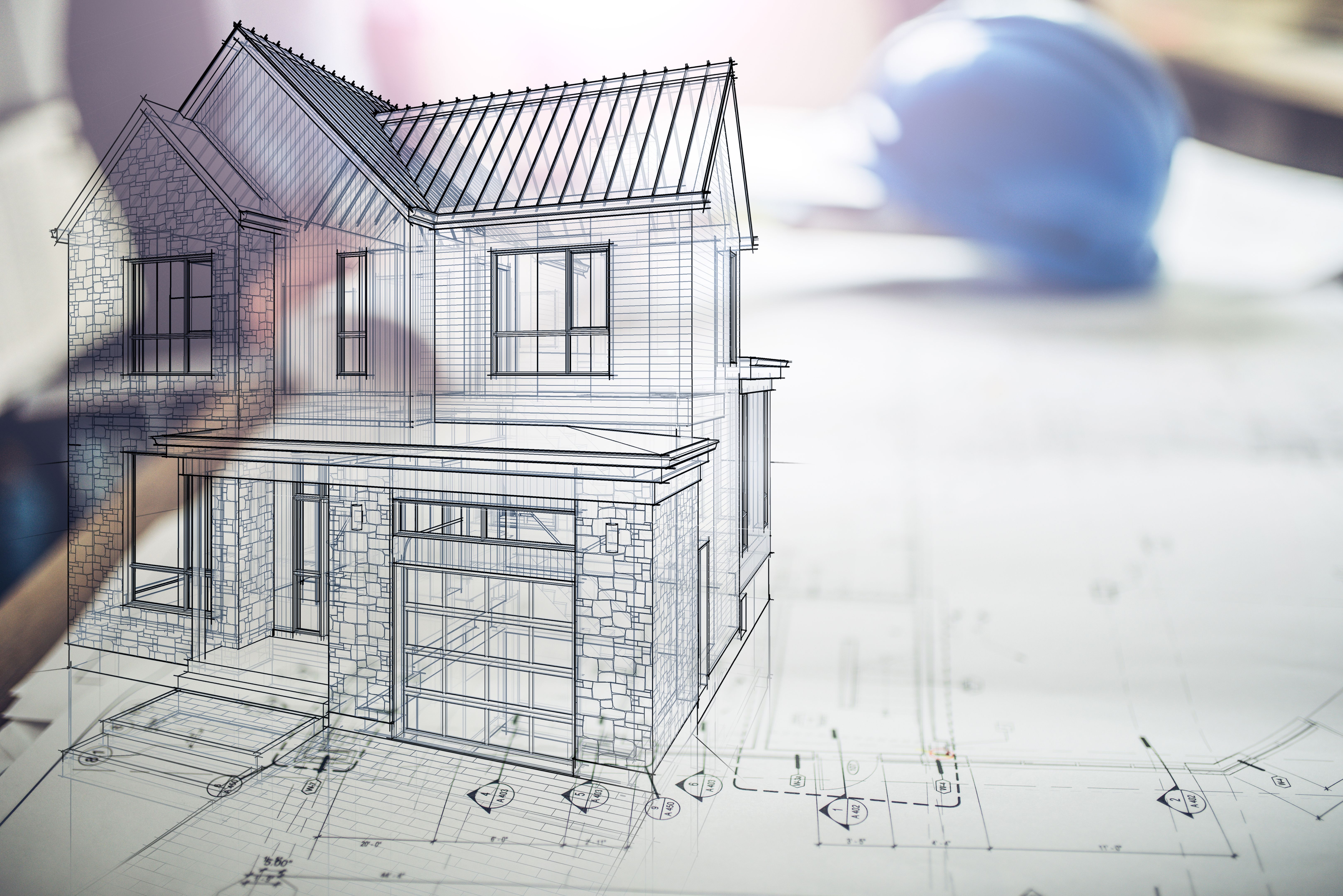
Adapting to Changes in Building Codes
Building codes are not static; they evolve over time to incorporate new safety measures, technologies, and sustainability practices. Staying updated with these changes is essential for any construction professional. Subscribing to updates from local building departments or industry organizations can help keep you informed of any modifications.
Moreover, being proactive about changes can position you as a forward-thinking leader in the industry, giving you an edge over competitors who may not be as diligent.
Conclusion
In conclusion, understanding and adhering to local building codes is a vital component of successful project execution. It not only ensures the safety and compliance of a building but also helps in avoiding unnecessary costs and legal complications. By investing time in learning and applying these codes, you can pave the way for a smoother, more efficient construction process.
Remember, compliance is not just about meeting legal requirements; it’s about building a strong foundation for the future of your projects.