Top Trends in Philadelphia Construction: From Design to Execution
Innovative Architectural Designs
In recent years, Philadelphia has become a hub for innovative architectural designs, embracing both modern aesthetics and sustainable practices. The city's skyline is continually evolving, with new buildings featuring sleek lines, glass facades, and eco-friendly materials. Architects are increasingly prioritizing designs that are not only visually appealing but also environmentally conscious.
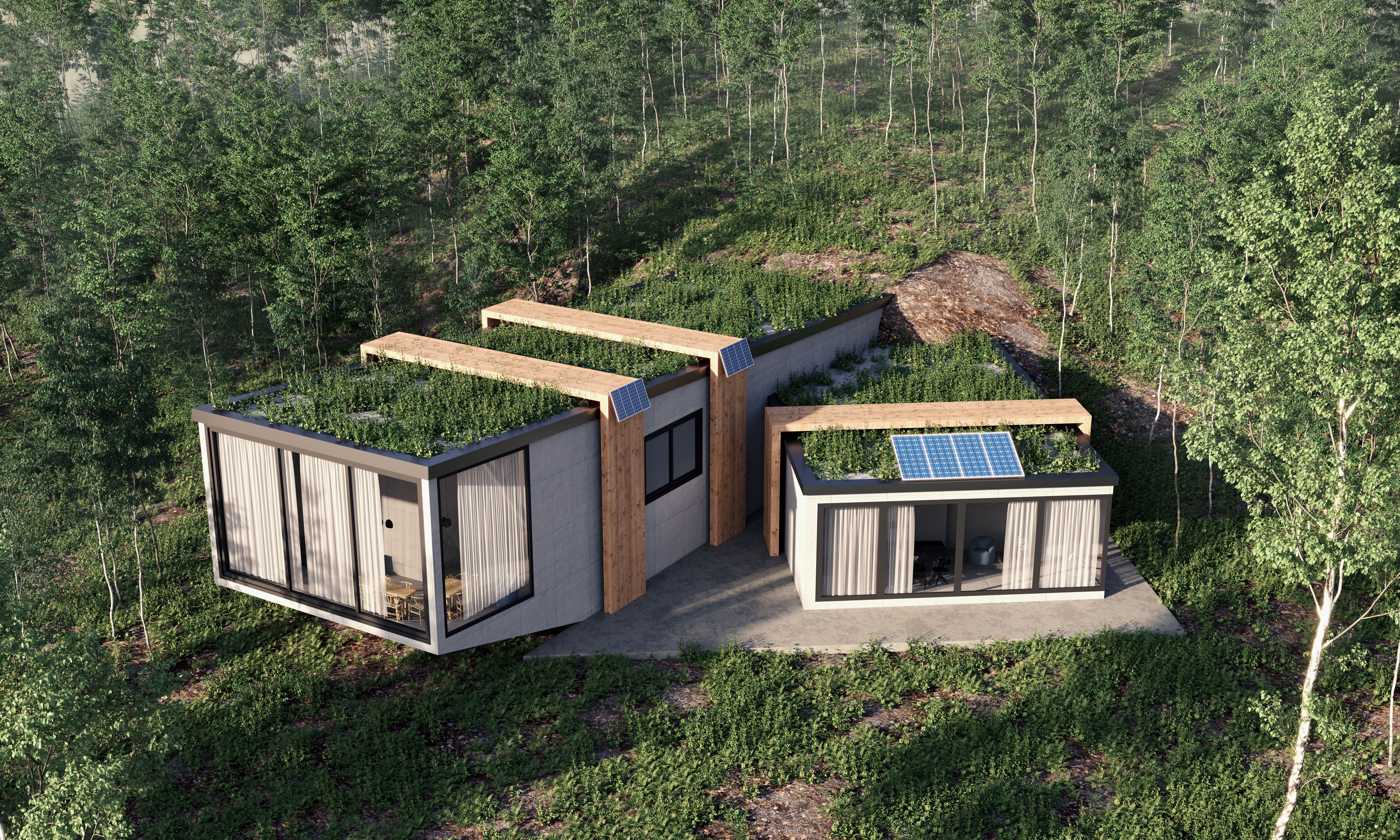
One of the key trends in Philadelphia's construction scene is the incorporation of green roofs and living walls. These features not only enhance the aesthetic appeal of a building but also contribute to energy efficiency and biodiversity. The use of sustainable materials like reclaimed wood and recycled steel is also gaining popularity among builders looking to minimize environmental impact.

Smart Technology Integration
The integration of smart technology into construction projects is transforming how buildings in Philadelphia are designed and operated. From smart lighting systems to automated HVAC controls, technology is playing a crucial role in enhancing the functionality and efficiency of buildings. This trend is not limited to commercial spaces; residential constructions are also embracing smart home technologies to provide greater convenience and energy savings for homeowners.
Moreover, the use of Building Information Modeling (BIM) is becoming increasingly widespread. BIM allows for better collaboration among architects, engineers, and contractors by providing a digital representation of a building's physical and functional characteristics. This technology helps streamline the construction process and reduces the likelihood of costly errors.
Sustainability in Construction
Sustainability continues to be a driving force in Philadelphia's construction industry. Builders are adopting practices that reduce waste and decrease the carbon footprint of their projects. This includes using locally sourced materials, implementing waste management plans, and designing buildings that maximize natural light to reduce energy consumption.
LEED Certification
Achieving LEED (Leadership in Energy and Environmental Design) certification is a goal for many construction projects in Philadelphia. This certification recognizes buildings that meet high standards of sustainability and energy efficiency. Developers are increasingly striving for LEED certification as it adds value to properties and attracts environmentally conscious tenants.
Mixed-Use Developments
The demand for mixed-use developments in Philadelphia is on the rise. These projects combine residential, commercial, and recreational spaces within a single development, creating vibrant communities that offer convenience and accessibility. Mixed-use developments promote a walkable lifestyle, reduce traffic congestion, and support local businesses by increasing foot traffic in the area.
One notable example is the transformation of historic neighborhoods into thriving mixed-use districts that blend the old with the new. This trend not only revitalizes communities but also preserves the cultural heritage of the city.

Emphasis on Safety and Compliance
As construction activity in Philadelphia ramps up, there is a strong emphasis on safety and compliance with regulations. Ensuring that construction sites adhere to safety standards is crucial for protecting workers and minimizing the risk of accidents. Construction companies are investing in training programs and adopting advanced safety equipment to maintain high safety standards.
Additionally, staying compliant with local building codes and zoning laws is essential for project success. Developers must navigate the regulatory landscape carefully to avoid delays and ensure that their projects meet all legal requirements.
Conclusion
The construction industry in Philadelphia is experiencing dynamic changes driven by innovation, sustainability, and technology. As these trends continue to shape the city's landscape, Philadelphia is poised to become a model for modern urban development. Whether through eco-friendly designs, smart technology integration, or community-focused developments, the city's construction sector is setting new standards for design and execution.