
Top Trends in Eco-Friendly Construction Materials
Introduction to Eco-Friendly Construction
As environmental concerns continue to grow, the construction industry is increasingly turning to eco-friendly materials to reduce their carbon footprint. These materials not only promote sustainability but also contribute to creating healthier living environments.

Recycled and Reclaimed Materials
One of the most significant trends in eco-friendly construction is the use of recycled and reclaimed materials. These materials help minimize waste and reduce the demand for new resources. Common options include reclaimed wood, recycled metal, and even old bricks repurposed for new builds.
Using these materials can significantly lower the environmental impact of a construction project while adding unique character and history to the building.
Recycled Steel
Steel is one of the most sustainable materials due to its durability and recyclability. Recycled steel is often used in structural applications, providing a strong framework for buildings while reducing the need for new steel production.

Innovative Insulation Solutions
Insulation plays a crucial role in energy efficiency. Eco-friendly insulation materials like sheep's wool, cellulose, and recycled denim are gaining popularity. These materials offer excellent thermal performance while being non-toxic and biodegradable.
Hempcrete
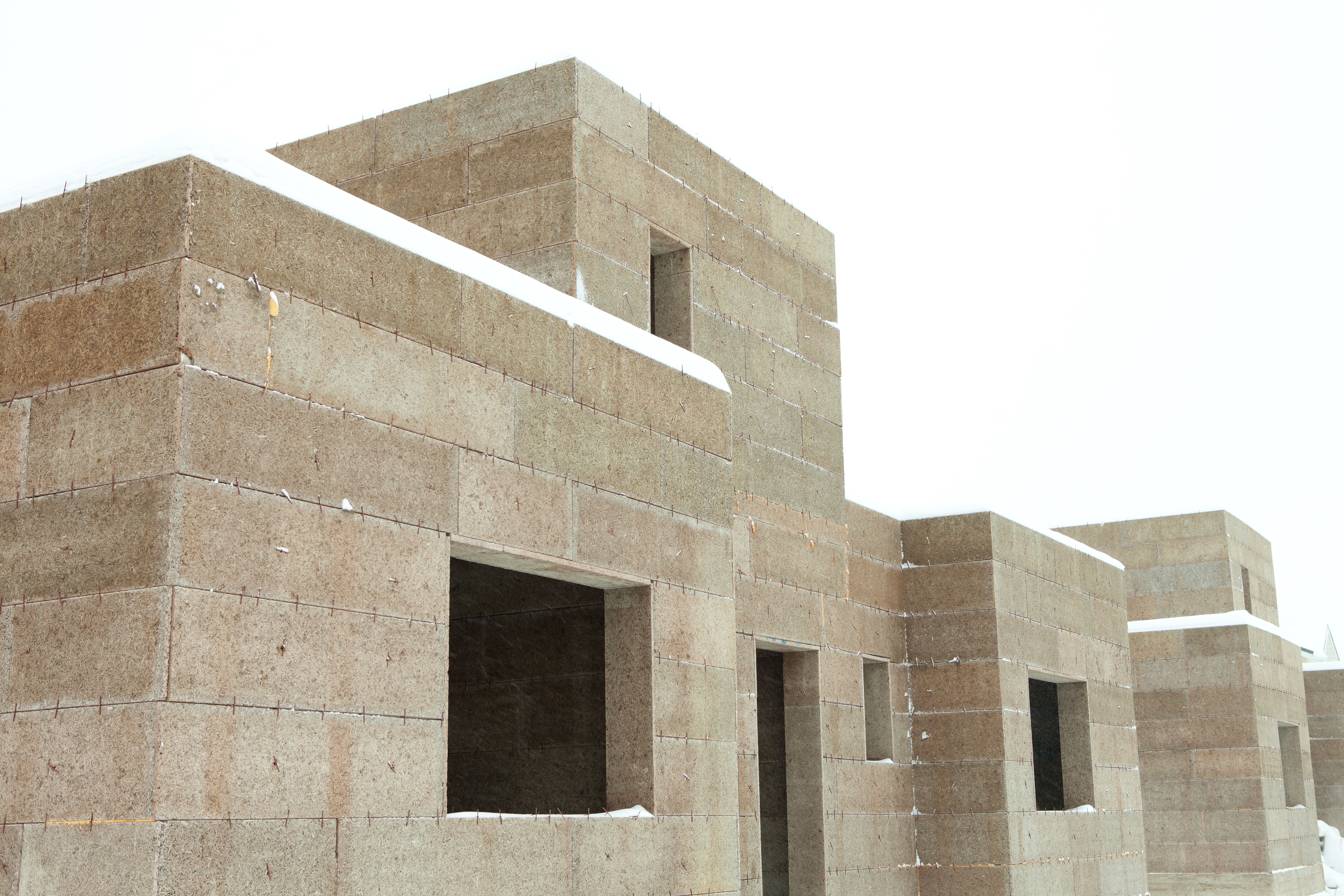
Hempcrete, a mixture of hemp fibers and lime, is becoming a popular choice for insulation. It’s lightweight, breathable, and provides excellent insulation properties. Additionally, hempcrete is carbon-negative, meaning it absorbs more CO2 than it emits during its lifecycle.
Sustainable Wood Alternatives
Traditional wood can contribute to deforestation, but sustainable alternatives like bamboo and engineered wood are providing eco-friendly options. Bamboo, a rapidly renewable resource, is used for flooring and walls, offering strength and aesthetic appeal.
Cross-Laminated Timber (CLT)
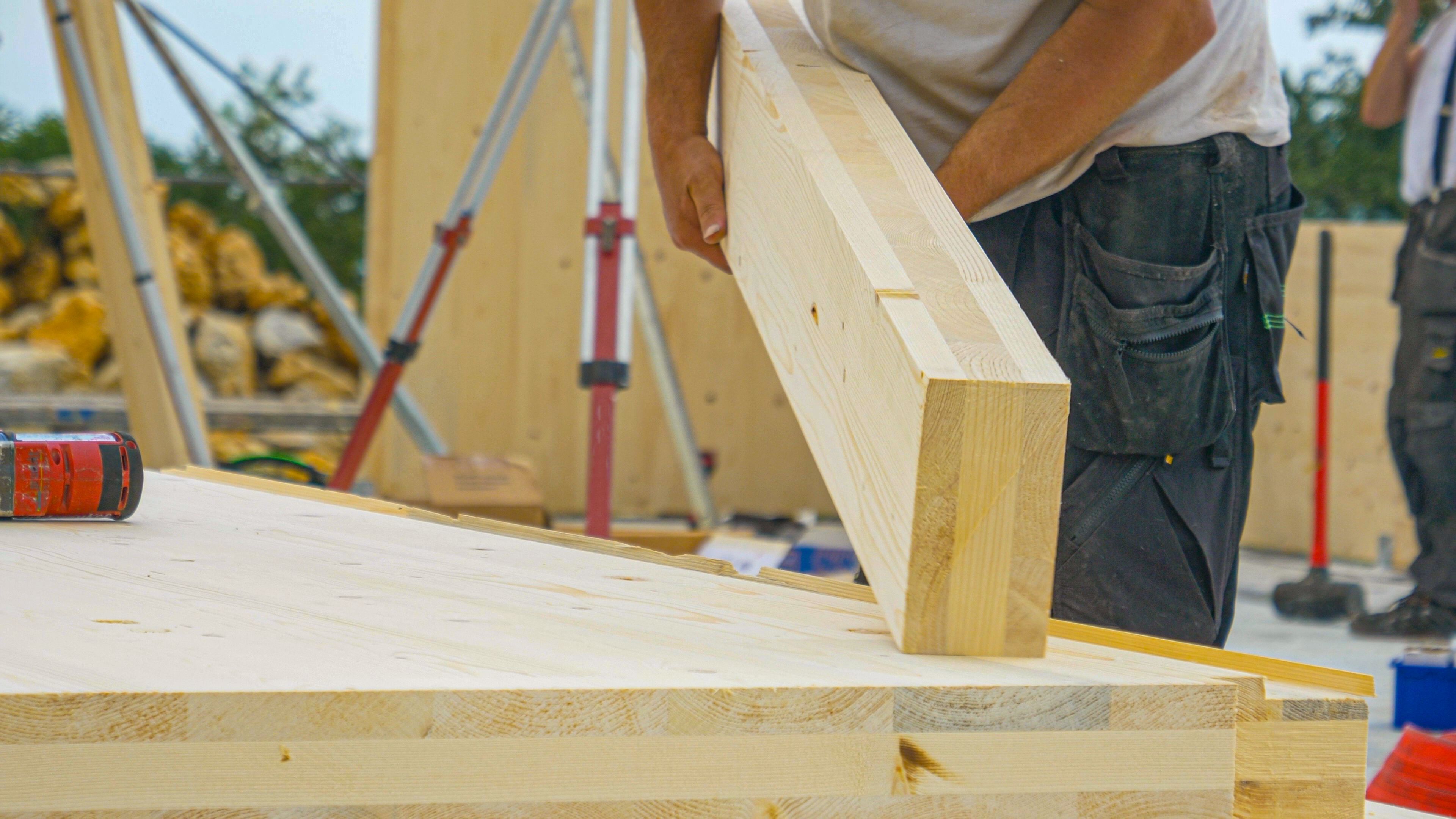
CLT is an engineered wood product with a high strength-to-weight ratio, making it suitable for large-scale projects. It’s manufactured using sustainably harvested wood, contributing to reduced carbon emissions compared to concrete or steel.
Conclusion
Eco-friendly construction materials are no longer niche products; they are becoming mainstream as builders and consumers prioritize sustainability. By incorporating these materials, the construction industry can play a vital role in shaping a more sustainable future.
As technology and innovation continue to advance, we can expect even more exciting developments in eco-friendly construction materials, paving the way for a greener world.