
The Ultimate Guide to Smart Home Integration in Construction Projects
As technology continues to evolve at a rapid pace, the integration of smart home systems into construction projects is becoming increasingly essential. Homeowners are seeking convenience, security, and energy efficiency, and smart home integration offers all this and more. In this guide, we'll explore the key aspects of incorporating smart technology into new construction projects.
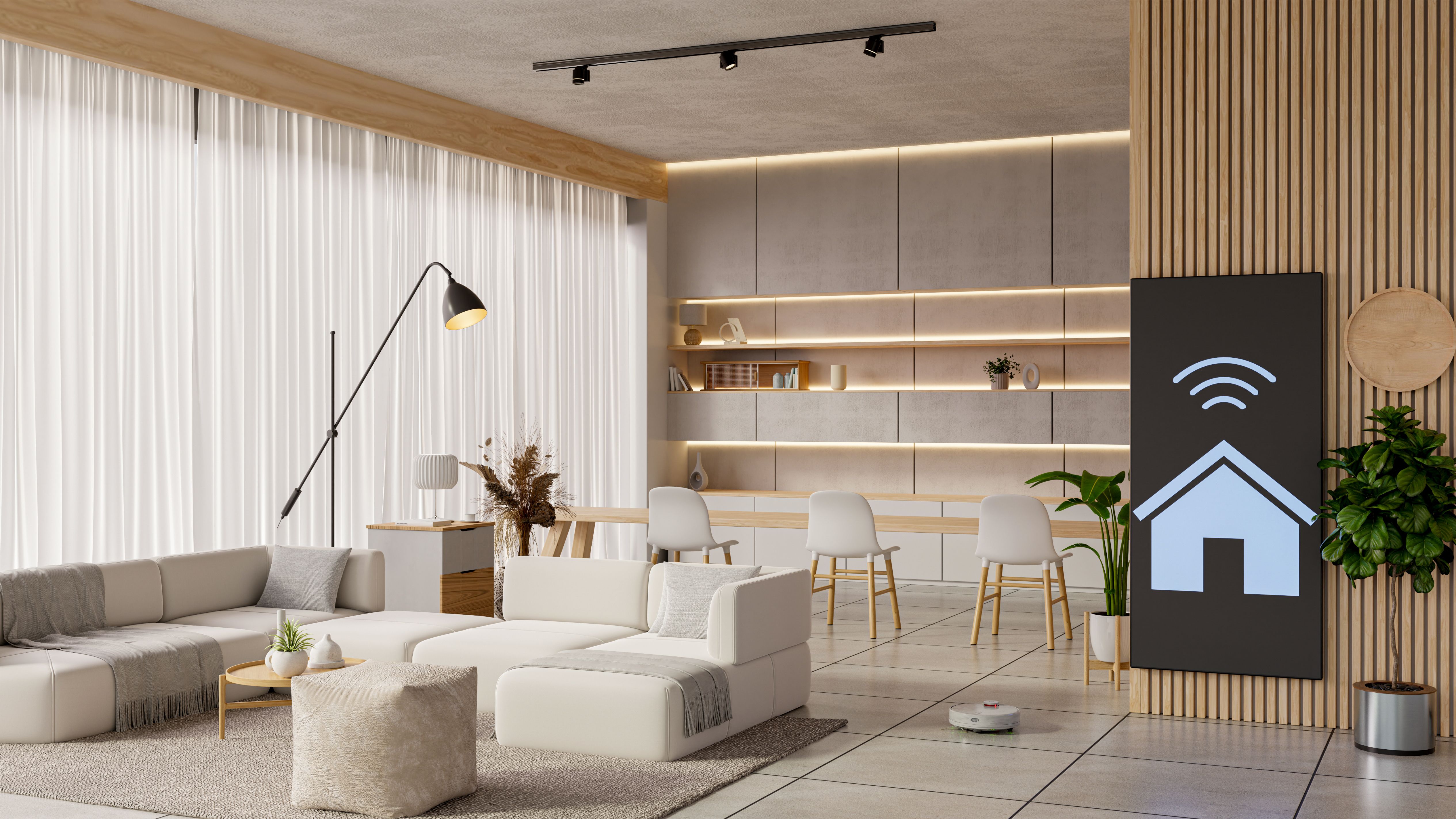
Understanding Smart Home Integration
Smart home integration involves incorporating various interconnected devices and systems that can be controlled remotely or via automation. These systems can range from lighting and climate control to security and entertainment. The goal is to create a seamless, efficient living environment that enhances comfort and functionality.
The Benefits of Smart Home Integration
Integrating smart technology into homes offers numerous benefits. Homeowners can enjoy increased convenience through automation, improved energy efficiency with smart thermostats, and enhanced security with connected cameras and alarms. Moreover, smart homes can increase property values, making them an attractive feature for potential buyers.
Key Components of Smart Home Systems
When planning smart home integration, it's essential to understand the key components involved. These typically include:
- Smart Lighting: Automated lighting systems that can be controlled remotely or set to follow schedules.
- Climate Control: Smart thermostats that adjust based on user preferences and occupancy.
- Security Systems: Cameras, alarms, and smart locks that enhance home safety.
- Entertainment Systems: Integrated audio and visual systems for a superior media experience.
Planning for Integration
Successful smart home integration requires careful planning during the construction phase. Builders and developers should collaborate with technology experts to ensure the necessary infrastructure is in place. This includes wiring, network capabilities, and space for equipment. Early planning helps to avoid costly retrofits and ensures a smoother integration process.

Challenges and Considerations
While the benefits are clear, integrating smart home systems can present challenges. Compatibility issues may arise between different devices and systems. It's vital to select devices that are compatible with each other and with existing platforms. Additionally, privacy concerns must be addressed to ensure data security and user privacy.
Future Trends in Smart Home Technology
The future of smart home technology is promising, with advancements in artificial intelligence and the Internet of Things (IoT) driving innovation. We can expect more intuitive systems that learn user preferences and adapt accordingly, as well as increased connectivity with other smart city infrastructures.

As the demand for smart homes continues to grow, integrating these systems into construction projects will become increasingly standard. By understanding the components, planning thoughtfully, and addressing potential challenges, builders can create homes that are not only modern and efficient but also ready for the future of living.