
Preparing Your Philadelphia Home for Winter: Renovation Tips and Tricks
Inspect and Insulate Your Home
As winter approaches in Philadelphia, it's crucial to ensure your home is well-insulated. Start by checking for drafts around windows and doors. Use weatherstripping or caulk to seal any gaps that might let cold air in. Proper insulation not only keeps your home warm but also helps reduce energy bills.
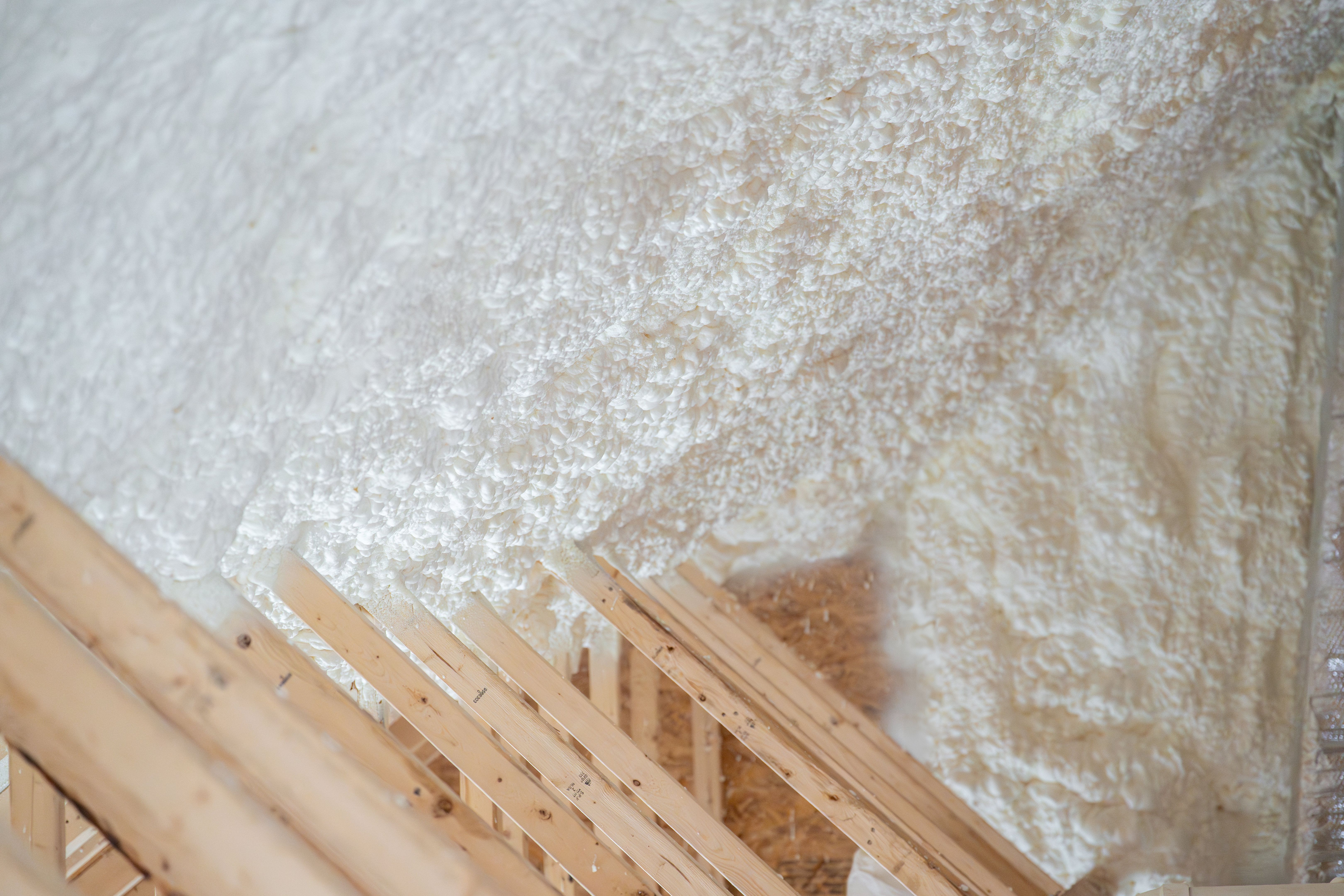
Don't forget to inspect your attic and basement. These areas are often culprits for heat loss. Adding insulation in these spaces can significantly improve your home's energy efficiency. Consider using materials like fiberglass or spray foam for optimal results.
Maintain Your Heating System
Your heating system is your best friend during the chilly Philadelphia winters. Schedule a professional inspection to ensure it's working efficiently. Replace filters regularly and check for any unusual noises or leaks. An efficient heating system not only provides comfort but also prevents costly repairs down the line.
If your system is outdated, you might want to consider upgrading to a more energy-efficient model. Modern heating systems consume less energy and can save you money in the long run.
Prepare Your Plumbing
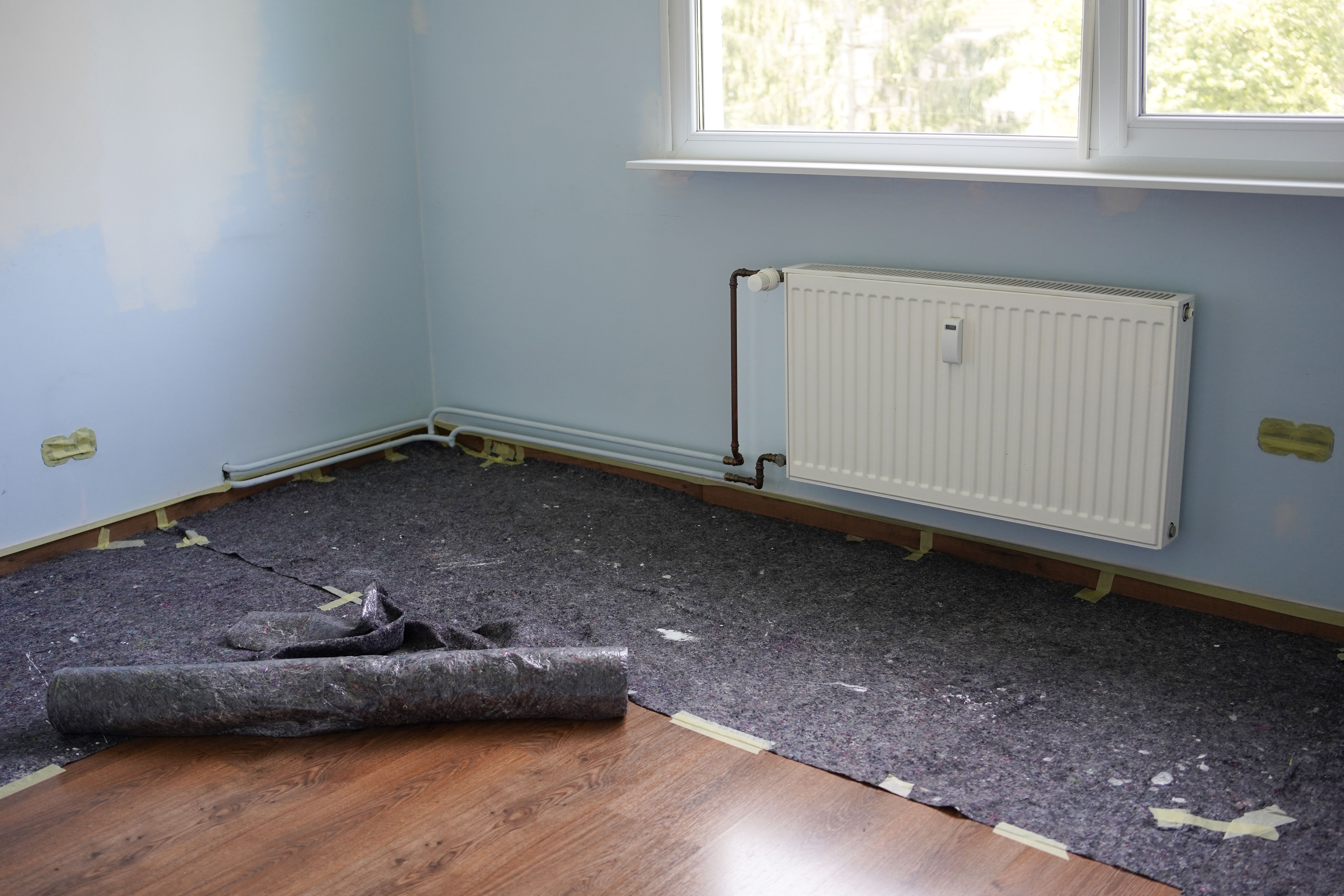
Frozen pipes can be a nightmare for homeowners. To prevent this, insulate pipes in unheated areas such as garages and crawl spaces. Disconnect outdoor hoses and shut off water to exterior faucets to avoid any chance of freezing.
Consider installing heat tape on vulnerable pipes. This can provide extra protection and peace of mind during the harshest winter days.
Enhance Your Home's Exterior
Winter weather can be harsh on your home's exterior. Examine your roof for any damaged or missing shingles and have them replaced if necessary. Clearing gutters of leaves and debris ensures proper drainage and prevents ice dams from forming.
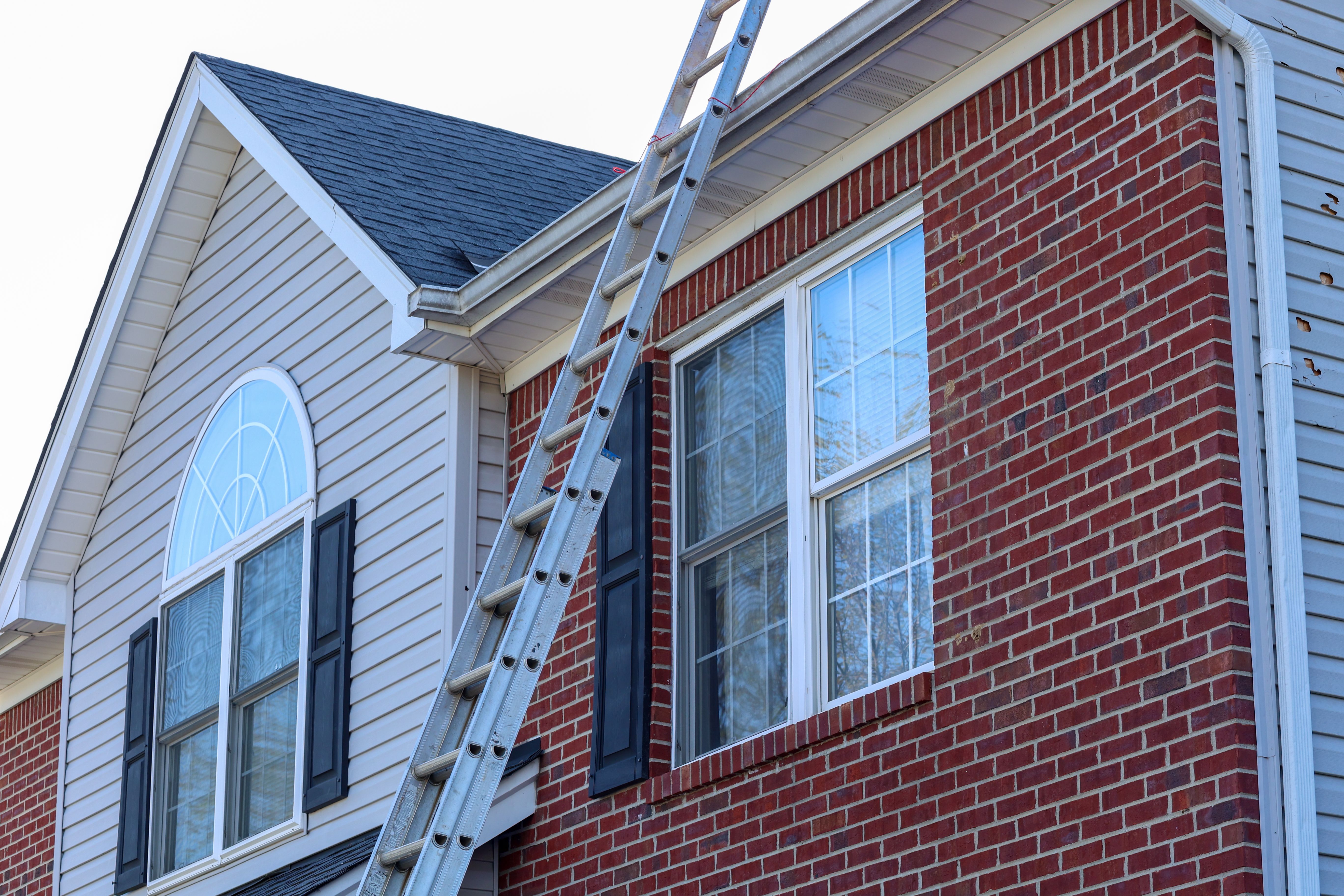
Trim any overhanging branches that could potentially damage your home during a snowstorm. A little maintenance now can prevent significant problems later.
Focus on Energy Efficiency
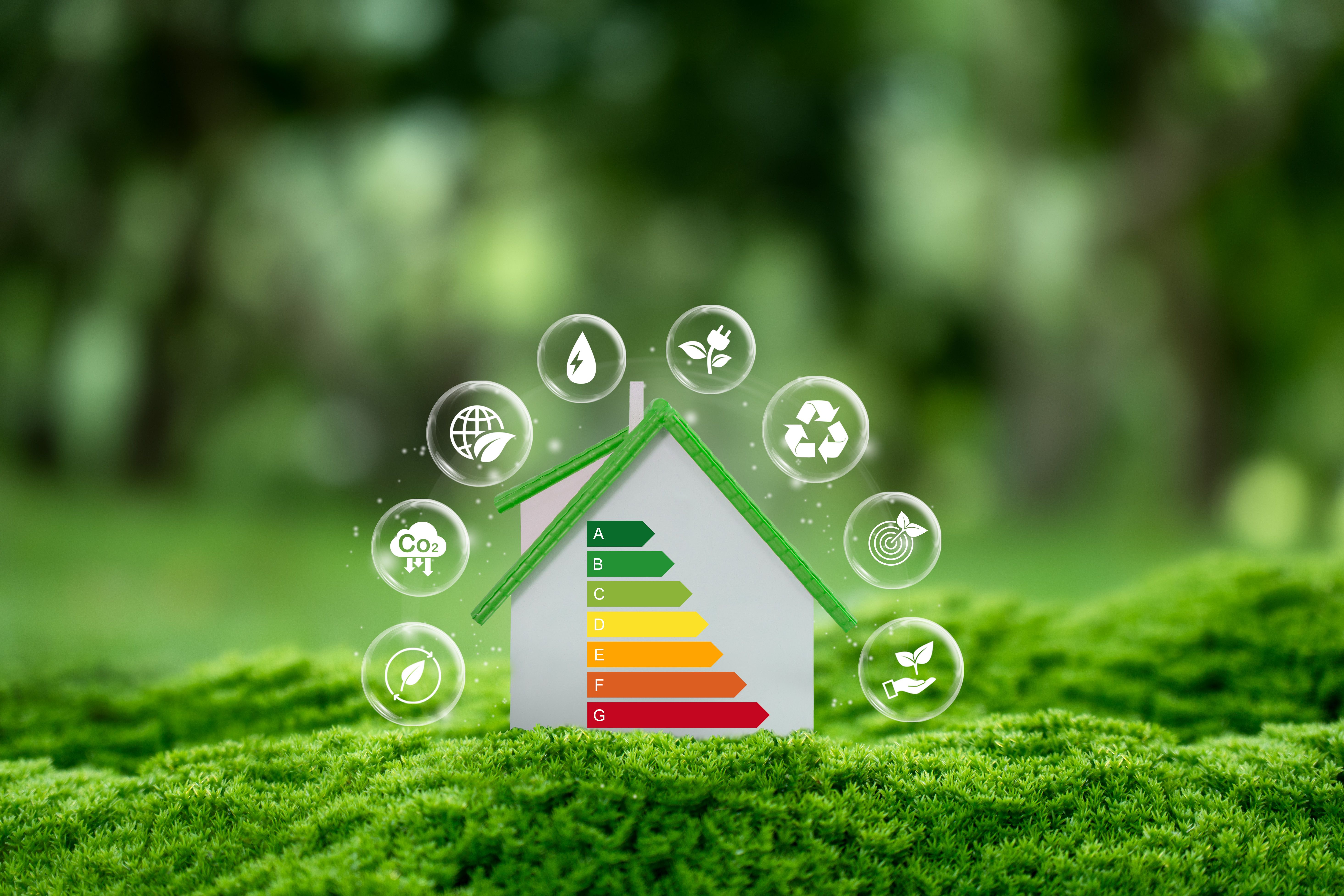
Winter months often mean increased energy consumption. To counteract this, switch to energy-efficient lighting and appliances. LED bulbs, for example, use significantly less energy than traditional incandescent bulbs.
Consider installing a programmable thermostat to optimize your heating schedule. This allows you to save energy by reducing heating when you're not home or while you're sleeping.
Safety First
Ensure that your smoke and carbon monoxide detectors are functioning properly. Replace batteries if needed and test the alarms to guarantee your family's safety. Winter is a prime time for house fires, often caused by heating devices, so it’s crucial to be prepared.
Keep a fire extinguisher handy and familiarize yourself with its operation. A little preparation can go a long way in keeping your home safe during the winter months.