
Permits and Regulations: Navigating Philadelphia’s Construction Landscape
Philadelphia's construction landscape is a dynamic and evolving environment, characterized by its rich history and modern innovations. Whether you're a contractor, developer, or homeowner, understanding the city's permits and regulations is crucial for a successful project. Navigating these requirements can be complex, but with the right knowledge, it becomes manageable.
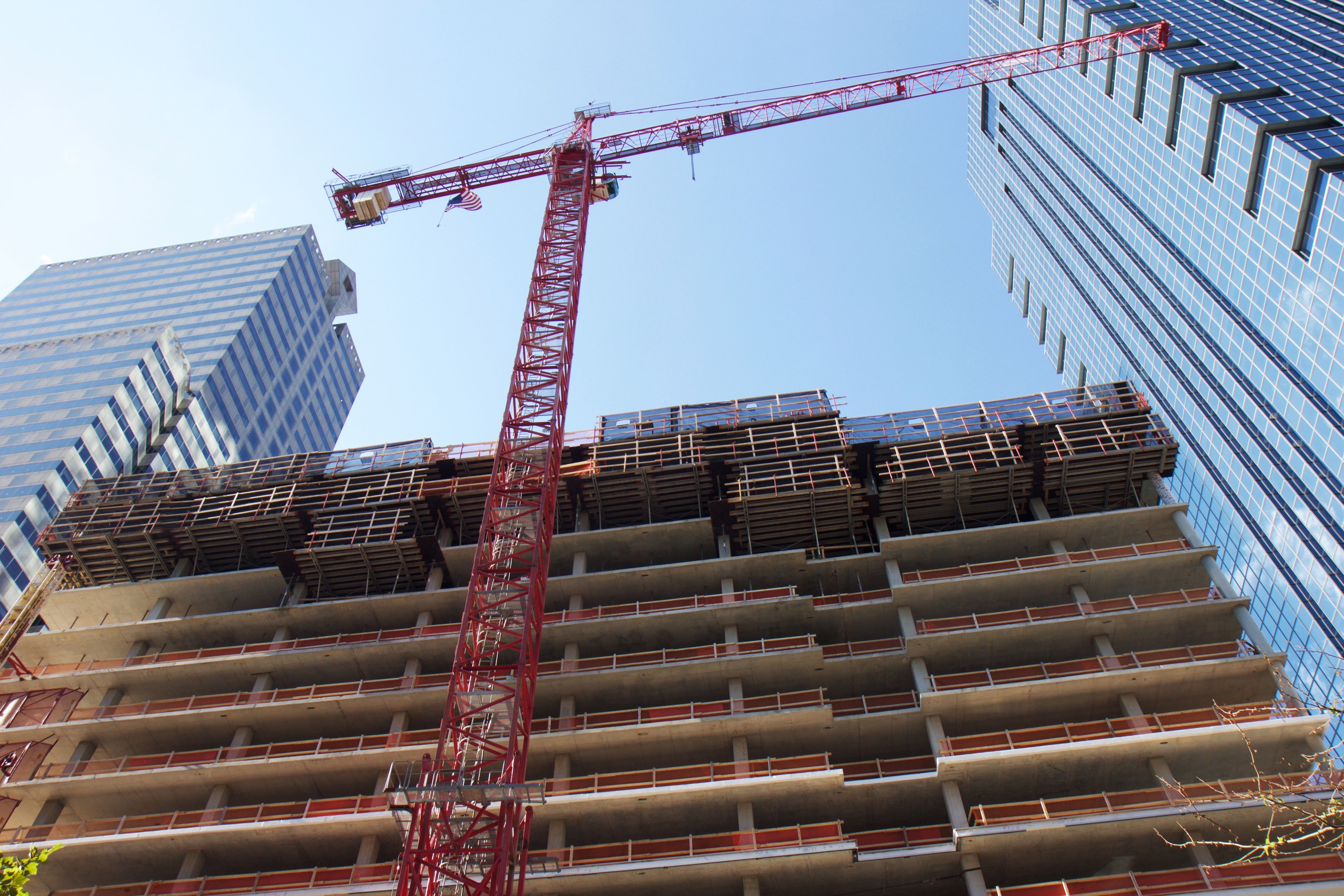
Understanding the Basics of Permits
Permits are essential for ensuring that construction projects comply with local codes and standards. In Philadelphia, the Department of Licenses and Inspections (L&I) oversees the issuance of permits. These permits are designed to ensure safety, quality, and compliance with zoning laws.
Different types of permits may be required depending on the project scope. Some common permits include building permits, electrical permits, plumbing permits, and zoning permits. It's essential to identify which permits are necessary for your specific project to avoid any legal complications.
The Permit Application Process
The permit application process in Philadelphia involves several steps. Typically, you'll need to submit detailed plans and specifications to the L&I. These plans must adhere to local building codes and standards. The review process can take time, so it's wise to plan accordingly and allow for potential delays.

Key Regulations to Keep in Mind
Philadelphia has specific regulations that govern construction activities. These include zoning laws, historic preservation requirements, and environmental considerations. Understanding these regulations is vital to ensuring your project proceeds without hitches.
Zoning laws dictate how land can be used in different areas, affecting what types of structures can be built. Historic preservation requirements may impact projects in designated historic districts, requiring additional approvals and considerations.
Environmental and Safety Standards
Environmental regulations in Philadelphia are designed to protect natural resources and ensure sustainable development. Compliance with these standards is not only a legal obligation but also a commitment to the community's well-being.

Safety standards are another critical aspect of the construction landscape. These standards ensure the safety of construction workers and future occupants. Adhering to them is paramount, and failure to comply can result in severe penalties and project delays.
Working with Professionals
Navigating Philadelphia's permits and regulations can be overwhelming, especially for those new to the construction industry. Working with experienced professionals such as architects, engineers, and legal experts can streamline the process. These professionals are familiar with local requirements and can provide invaluable guidance.
Hiring a knowledgeable contractor who understands the city's regulatory landscape can also make a significant difference. They can help ensure that your project runs smoothly and complies with all necessary regulations.

Staying Updated with Changes
Construction regulations and permit requirements are subject to change. Staying informed about these changes is crucial for anyone involved in the industry. Regularly checking updates from the Department of Licenses and Inspections and engaging with local industry associations can help keep you ahead of the curve.
Philadelphia's construction landscape presents both challenges and opportunities. By understanding and adhering to the city's permits and regulations, you can ensure your project is both successful and compliant. With careful planning and professional assistance, navigating this complex landscape becomes a rewarding endeavor.