
Navigating Philadelphia's Permitting Process: A Step-by-Step Guide for Homeowners
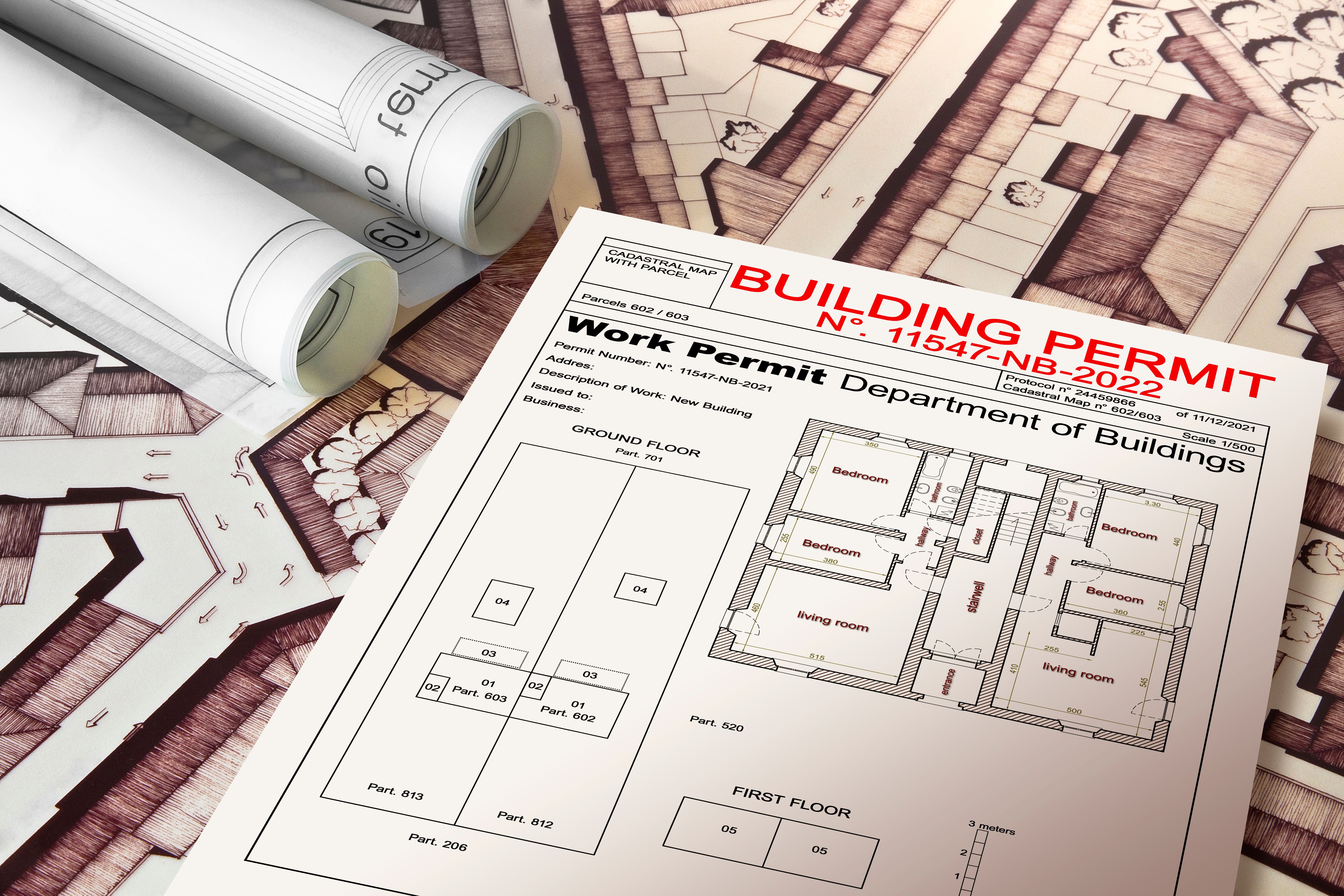
Embarking on a home improvement project in Philadelphia? Understanding the city's permitting process is crucial. Whether you're planning a simple renovation or a major remodel, obtaining the right permits ensures your project complies with local regulations and codes.
Understanding the Importance of Permits
Permits are more than just paperwork—they're a legal requirement that protects homeowners and the community. They ensure that construction meets safety standards and zoning laws. Skipping this step can lead to fines and complications when selling your home.
Having the right permits can also prevent potential issues with insurance claims. If work is done without a permit, your insurance may not cover damages.

Identifying Which Permits You Need
Common Types of Permits
Philadelphia requires different permits based on the scope of your project. Common permits include:
- Building Permits
- Electrical Permits
- Plumbing Permits
- Mechanical Permits
Consulting with a professional or visiting the city's website can help determine which permits are necessary for your project.
When to Apply for Permits
It's best to apply for permits as soon as you have a clear plan. This ensures that there are no delays once construction begins. Consider the time it takes for approval, which can vary based on the project's complexity.

The Application Process
Gathering Necessary Documents
Before applying, gather all required documents. This typically includes:
- Detailed project plans
- Property surveys
- Contractor information
Having these documents ready can streamline the application process.
Submitting Your Application
Applications can usually be submitted online through the Philadelphia Department of Licenses and Inspections. Ensure all information is accurate to avoid delays. Once submitted, you’ll receive a confirmation and an estimated timeline for approval.
After Approval: Next Steps
Once your permits are approved, keep them visible at the job site. This is important for inspections, which ensure compliance with the approved plans. Failure to display permits can lead to fines or work stoppages.
Regular inspections may be required at different stages of your project. Coordinate with your contractors to schedule these inspections in advance.
Final Thoughts
Navigating Philadelphia’s permitting process can seem daunting, but understanding each step can make it more manageable. Properly obtaining and displaying permits not only ensures compliance but also contributes to a safer, more successful project.
For more detailed information, consider consulting with a local expert or visiting the Philadelphia government’s official website. Being proactive can save time, money, and stress in the long run.