How to Plan a Successful Ground-Up Development in Philadelphia
Understanding the Basics of Ground-Up Development
Ground-up development refers to the process of constructing a building or infrastructure from scratch. In cities like Philadelphia, this approach is gaining popularity due to its ability to meet specific needs and preferences. Before starting, it's essential to understand zoning laws, environmental regulations, and the local real estate market.

Conducting a Feasibility Study
A feasibility study is a crucial first step in any ground-up development project. This involves assessing the land, understanding potential risks, and considering financial implications. Engaging with local experts can provide valuable insights into the suitability of your project.
Securing Financing
Financing a ground-up development can be complex. You'll need to explore various funding options such as loans, grants, or private investors. Ensuring you have a robust financial plan in place will help avoid delays and keep your project on track.

Design and Planning
After securing financing, the next step is to focus on design and planning. Collaborate with architects and designers to create plans that align with your vision while adhering to local building codes. Consider sustainable practices to enhance the long-term value of your development.
Obtaining Permits and Approvals
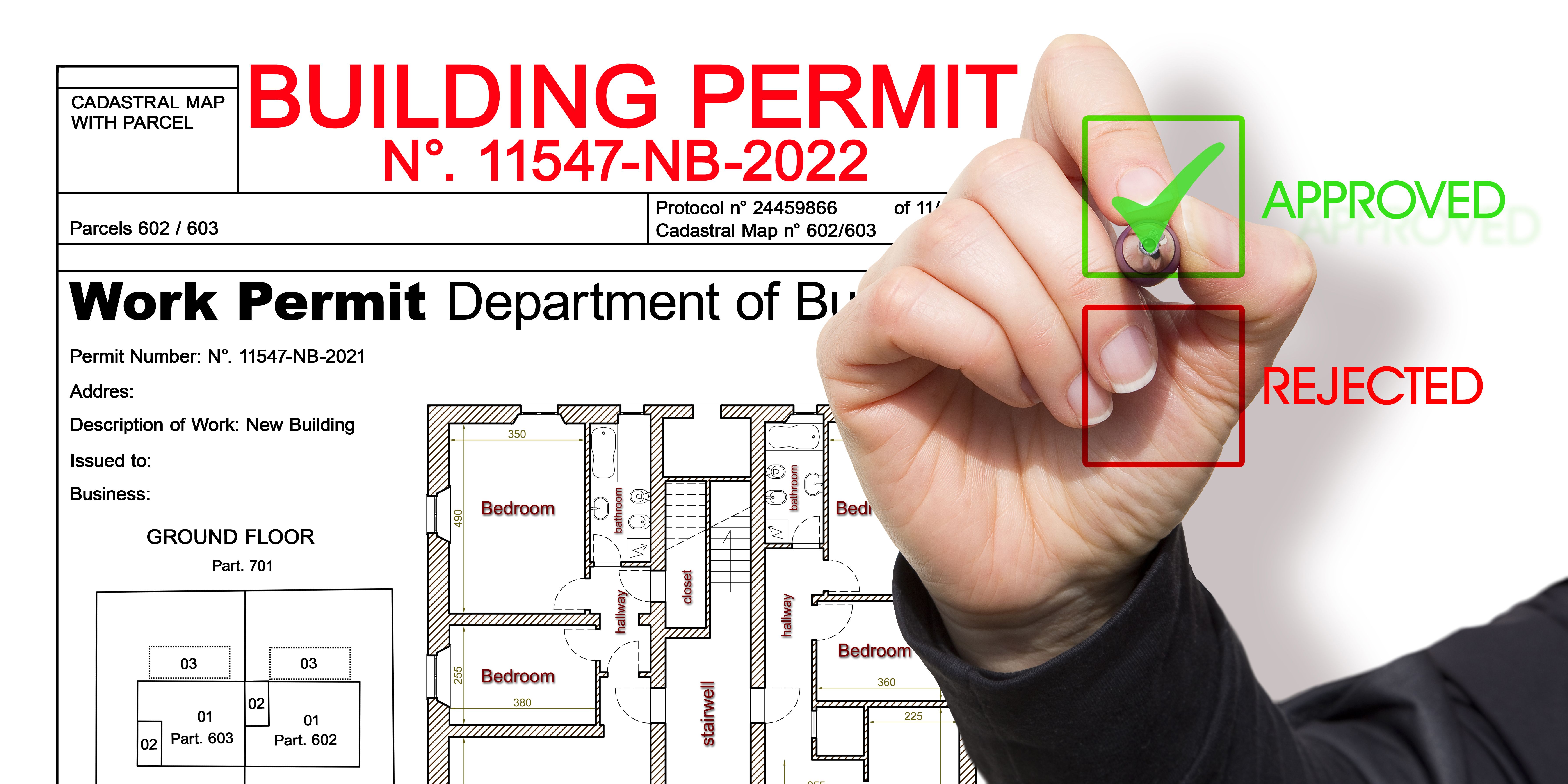
Acquiring the necessary permits and approvals is a critical step in ground-up development. Working closely with city officials and understanding the permitting process in Philadelphia can streamline this phase. Keep in mind that this process can sometimes be lengthy, so plan accordingly.
Construction and Project Management
Once permits are in place, construction can begin. It's vital to have a skilled project manager who can oversee the process, manage timelines, and handle any unexpected challenges. Regular communication with contractors and stakeholders will keep the project aligned with its goals.
Marketing and Sales Strategy
As construction progresses, develop a marketing and sales strategy. Utilize local media, social platforms, and real estate networks to generate interest. Highlight unique features and the advantages of the Philadelphia location to attract potential buyers or tenants.

Final Inspections and Handover
Before opening the doors, conduct thorough inspections to ensure everything meets safety and quality standards. Address any issues promptly to avoid delays. Once completed, you can proceed with the handover to new owners or tenants.
Reflecting on the Project
After completion, take time to reflect on the project. Analyze what worked well and what could be improved for future developments. This reflection can provide valuable lessons and insights for your next ground-up endeavor in Philadelphia.