Expert Advice on Full Builds: From Design to Completion
Understanding Full Builds
Embarking on a full build project can be both exciting and daunting. Whether it's constructing a new home, office space, or commercial property, the journey from design to completion requires meticulous planning and execution. A full build involves various stages, each demanding expertise and attention to detail. This guide will provide expert advice to help you navigate this complex process efficiently.
The Importance of Design
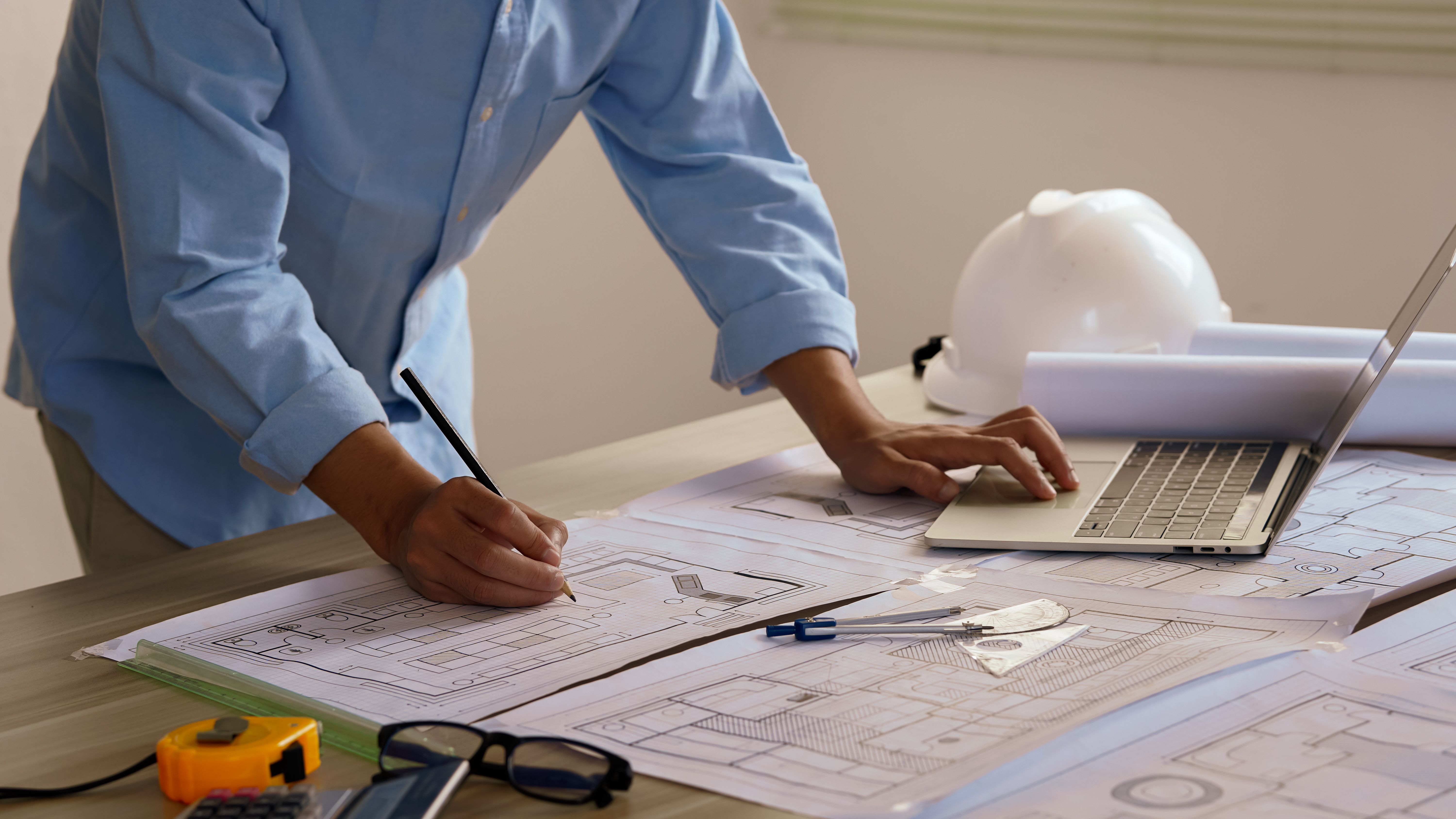
The design phase is the foundation of any successful build. It sets the tone for the entire project. Engaging with experienced architects and designers is crucial to creating a blueprint that meets your needs while adhering to local regulations. Consider factors such as functionality, aesthetics, and sustainability during this stage. It's beneficial to visualize the end product through 3D models or virtual reality simulations.
Communication is key during the design phase. Ensure that all stakeholders, including contractors and engineers, are involved in discussions to avoid misalignments and future changes. A well-drafted design reduces the risk of costly alterations down the line.
Project Planning and Budgeting
Once the design is finalized, the next step is project planning and budgeting. This involves setting timelines, allocating resources, and estimating costs. A detailed project plan serves as a roadmap, helping to track progress and manage expectations. It's essential to include a contingency budget to accommodate unforeseen expenses.

Engage with project managers who have experience in handling full builds. They can provide insights into potential challenges and offer solutions to keep the project on track. Regular updates and transparent communication with your team are vital to ensure alignment with the project goals.
Selecting the Right Contractors
Choosing the right contractors is a critical decision that impacts the quality and timeline of your build. Vet potential contractors thoroughly, checking references and previous work. It's advisable to select contractors who specialize in the type of build you're undertaking. Ensure that all agreements are clearly documented to prevent misunderstandings.
Strong relationships with contractors foster collaboration and problem-solving. Regular site visits and meetings help maintain a seamless flow of work and address any issues promptly.

Construction and Execution
During the construction phase, attention to detail is paramount. Regular monitoring and quality checks ensure that the build adheres to design specifications and standards. Addressing issues promptly minimizes delays and keeps the project within budget.
Implementing sustainable practices, such as using eco-friendly materials and energy-efficient systems, can enhance the value and appeal of the property. It's beneficial to stay informed about the latest technologies and trends in construction to make informed decisions.
Completion and Handover
The final stage of a full build is the completion and handover. This involves final inspections, obtaining necessary certifications, and ensuring that all contractual obligations are met. A smooth handover process requires thorough documentation and clear communication with all parties involved.

Once the build is complete, conducting a post-project review can provide valuable insights for future projects. Feedback from all stakeholders can highlight areas of improvement and celebrate successes, paving the way for continuous growth and excellence in future builds.