
Eco-Friendly Building Materials: The Future of Construction in Pennsylvania
Understanding Eco-Friendly Building Materials
As the world continues to grapple with environmental challenges, the construction industry in Pennsylvania is moving towards more sustainable practices. Eco-friendly building materials are at the forefront of this shift, promising a more sustainable future for both builders and residents. But what exactly are these materials, and why are they so important? In essence, eco-friendly building materials are those that have a reduced impact on the environment throughout their lifecycle, from production to disposal.
Benefits of Eco-Friendly Materials
Incorporating eco-friendly materials in construction not only supports environmental conservation but also provides several practical benefits. These materials often lead to improved energy efficiency, which can significantly reduce utility costs for homeowners and businesses. Moreover, many sustainable materials are known for their durability, reducing the need for frequent repairs and replacements. This longevity translates into long-term savings and less waste generation.
Another advantage is the promotion of healthier indoor environments. Eco-friendly materials often have lower levels of volatile organic compounds (VOCs) and other pollutants, which can improve indoor air quality. Healthier indoor environments are crucial for maintaining the well-being of occupants, making these materials an attractive choice for residential and commercial projects alike.
Popular Eco-Friendly Materials in Pennsylvania
Pennsylvania builders are increasingly turning to materials like reclaimed wood, bamboo, and recycled metal. Reclaimed wood, for instance, gives a second life to lumber that might otherwise go to waste, and its unique appearance adds character to any build. Bamboo is another popular choice due to its rapid growth rate and strong, flexible nature.
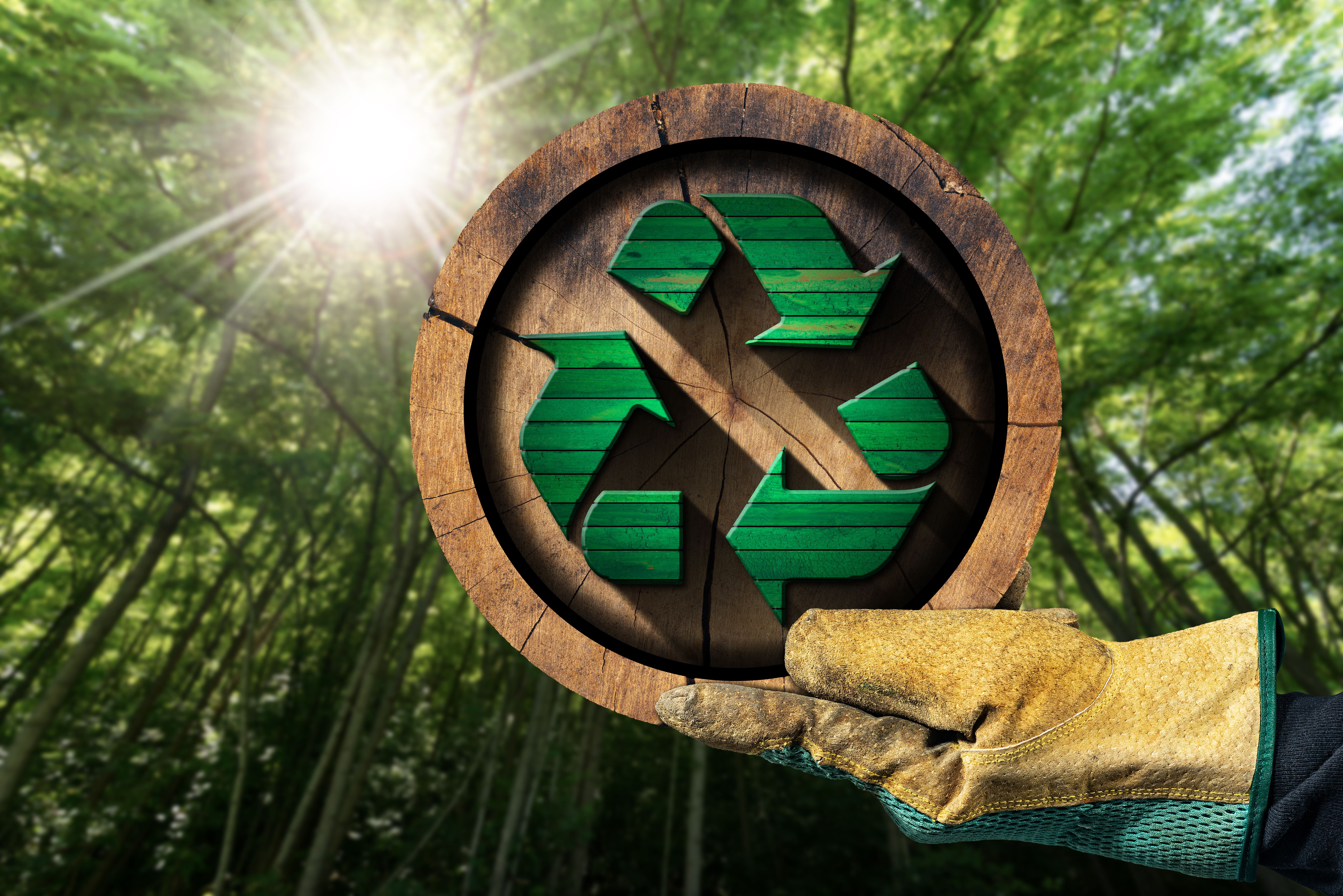
Recycled metal is gaining traction for its strength and ability to be reused multiple times without degradation. Additionally, using recycled materials helps conserve natural resources and reduces energy consumption during the manufacturing process. Insulation made from recycled denim or cellulose is also becoming a favorite for its excellent thermal properties and eco-friendliness.
Challenges and Considerations
Despite the clear benefits, there are challenges to adopting eco-friendly materials. One significant hurdle is the initial cost, which can be higher compared to traditional options. However, it's important to consider the long-term savings on energy and maintenance. Additionally, sourcing these materials can sometimes be difficult, depending on the location and availability.
Builders and consumers must also be wary of greenwashing, where materials are marketed as being more environmentally friendly than they truly are. Researching and selecting materials with genuine sustainability certifications can help ensure projects meet environmental goals.
The Future of Construction in Pennsylvania
The trend towards sustainable building is expected to grow as awareness and demand for eco-friendly options increase. Government incentives and regulations are likely to play a significant role in promoting the use of sustainable materials. In Pennsylvania, this could mean more projects incorporating solar panels, green roofs, and energy-efficient appliances.
As technology advances, new materials and methods will emerge, offering even more opportunities for sustainable construction. The future of construction in Pennsylvania looks promising, with eco-friendly building materials paving the way for greener, healthier, and more efficient living and working spaces.