
Debunking Myths About Smart Home Integration in Construction
Understanding Smart Home Integration
In recent years, smart home technology has become a buzzword in the construction industry. However, many myths still persist regarding its integration. It's crucial to dispel these myths to leverage the full potential of smart home systems.
Myth 1: Smart Homes Are Too Expensive
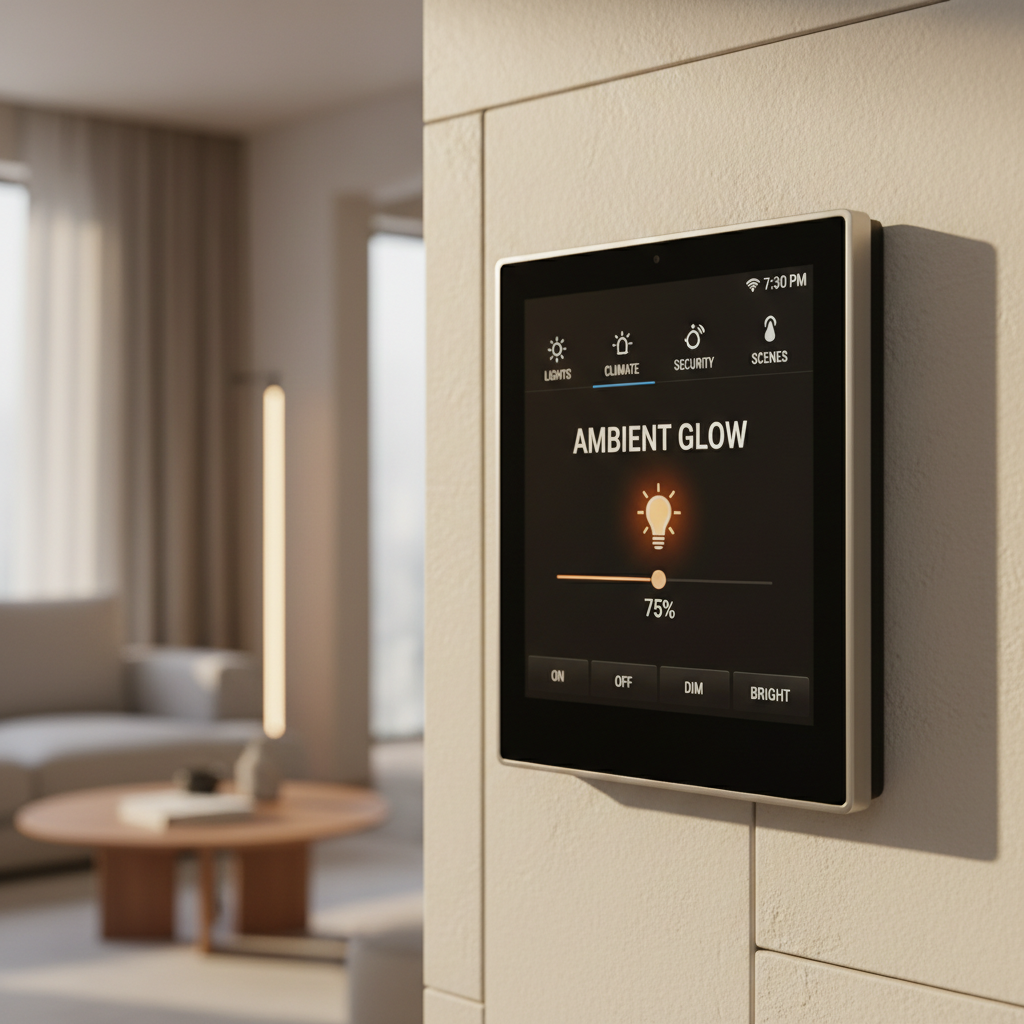
A common misconception is that smart home integration is prohibitively expensive. While it's true that some high-end systems can be costly, there are many affordable options available. The initial investment can also lead to long-term savings through energy efficiency and reduced utility bills.
Moreover, many manufacturers offer scalable solutions, allowing homeowners to start small and expand their systems over time. This flexibility means you can customize your smart home according to your budget.
Myth 2: Smart Technology Is Complicated to Use
Another myth is that smart home systems are overly complex and difficult to use. In reality, most modern smart devices are designed with user-friendliness in mind. With intuitive apps and voice control features, managing these systems is easier than ever.
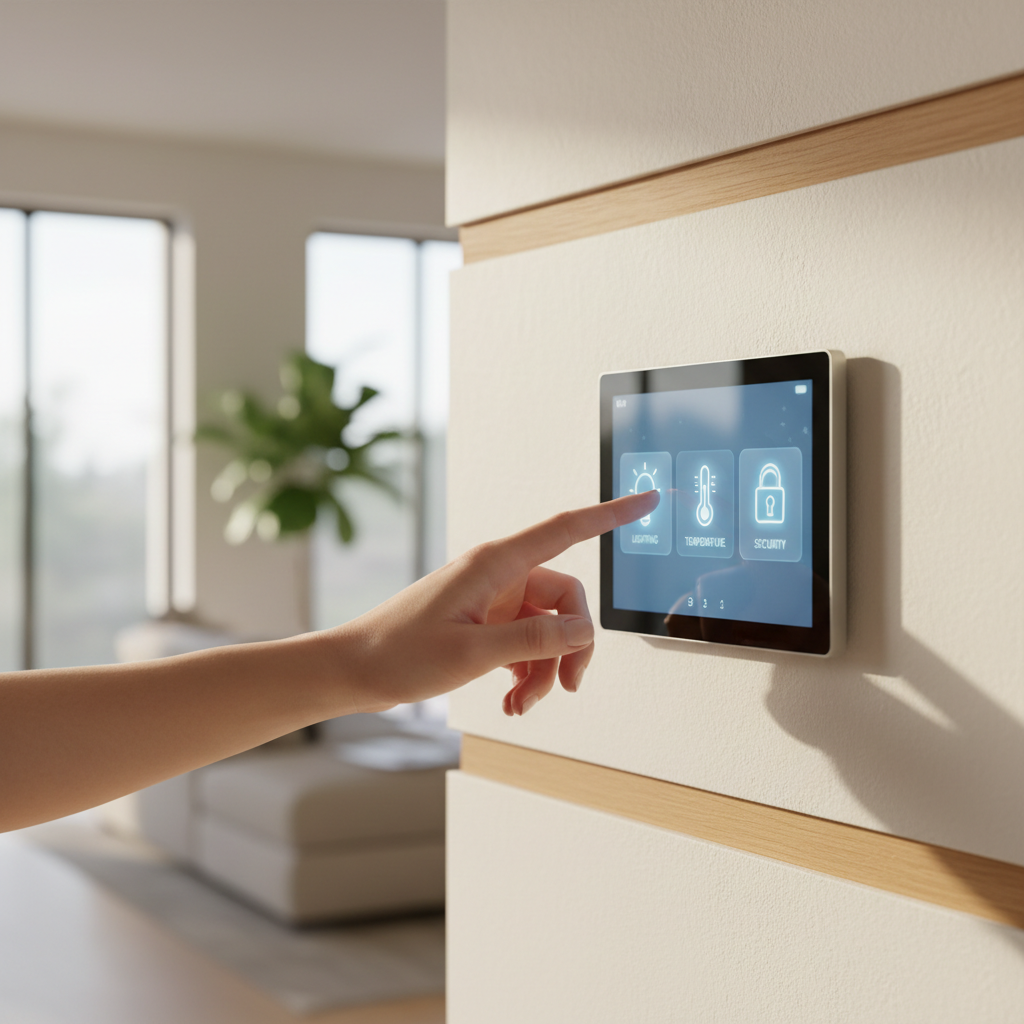
Furthermore, many companies provide comprehensive customer support and tutorials to help users get the most out of their smart technology. This ensures that homeowners can smoothly integrate and operate their systems.
Myth 3: Smart Homes Are Vulnerable to Hacking
Security concerns are often cited as a reason to avoid smart home integration. However, smart home devices come with robust security measures. Manufacturers continuously update firmware and security protocols to protect against cyber threats.
To enhance security, homeowners can take additional steps such as setting strong passwords, enabling two-factor authentication, and keeping their devices updated. These practices significantly reduce the risk of unauthorized access.

Myth 4: Smart Homes Are Only for New Builds
Many believe that smart home technology can only be integrated into new constructions. This is far from the truth. Retrofitting existing homes with smart technology is entirely feasible and often more straightforward than anticipated.
Wireless technology and modular systems make it possible to upgrade any home with minimal disruption. This opens up opportunities for all homeowners to enjoy the benefits of smart living, regardless of their home's age.
The Future of Smart Home Integration
As technology continues to advance, the integration of smart home systems in construction will become even more seamless. Embracing these innovations not only enhances convenience and security but also adds value to properties.
Understanding and debunking these myths is essential for homeowners and builders alike to make informed decisions about incorporating smart technology. By doing so, they can fully enjoy the myriad benefits that smart homes offer.