
Creating Hurricane-Proof Buildings: Solutions for Pennsylvania Homes
Understanding the Need for Hurricane-Proof Buildings
While Pennsylvania is not typically in the direct path of hurricanes, the state can experience severe storms that bring strong winds and heavy rains. With climate change leading to unpredictable weather patterns, it becomes crucial for homeowners to consider creating hurricane-proof buildings. By adopting effective construction techniques, Pennsylvania homes can be better equipped to withstand these powerful natural forces.
Hurricane-proofing is not just about protecting property; it’s also about ensuring the safety and well-being of residents. Implementing such measures can significantly reduce the risk of damage and the subsequent costs of repairs.
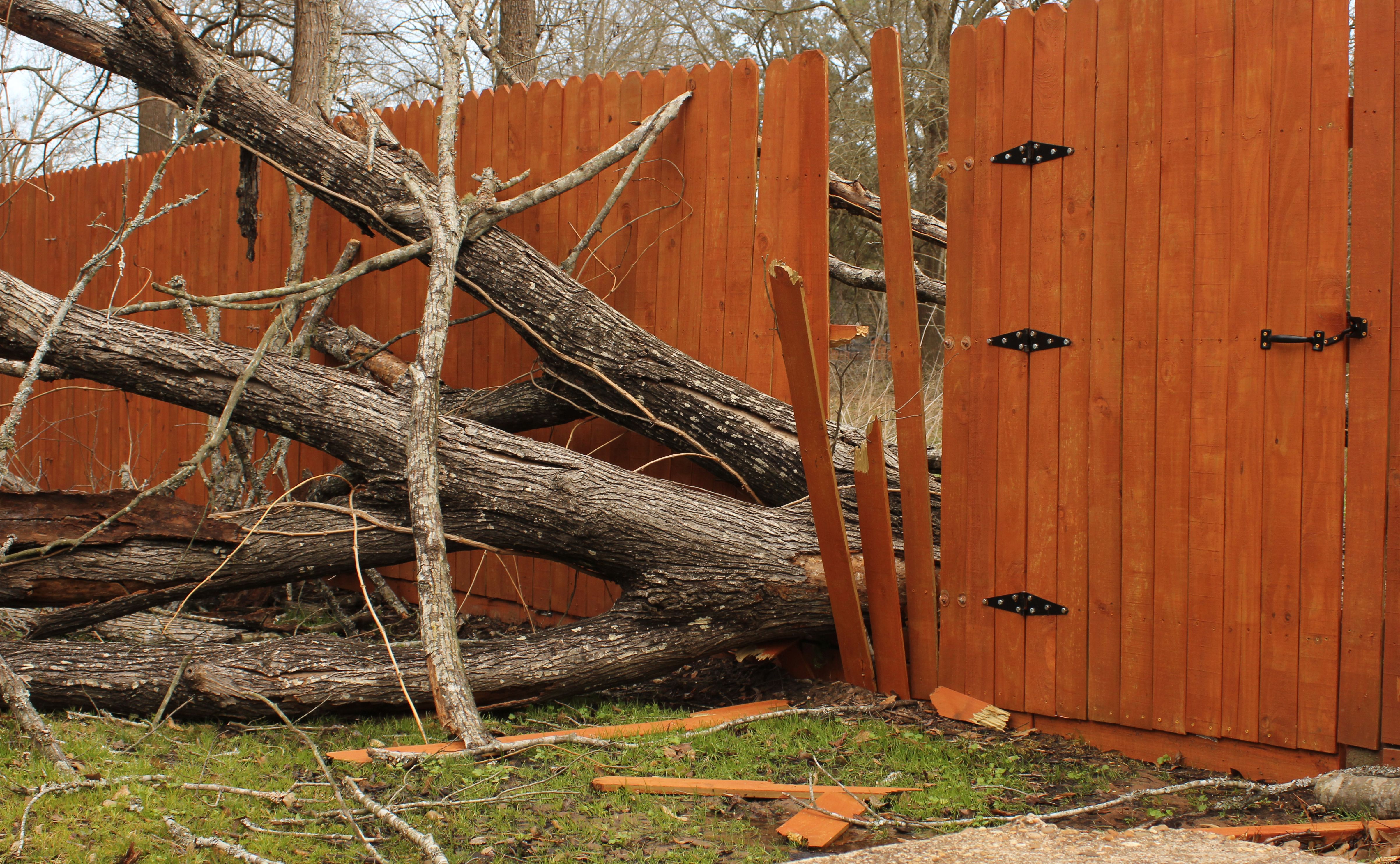
Key Features of Hurricane-Proof Construction
Creating a hurricane-proof building involves several key features designed to enhance structural integrity. These include reinforced roofing, impact-resistant windows, and robust foundations. By focusing on these areas, homeowners can create a resilient barrier against severe weather.
Reinforced Roofing
The roof is one of the most vulnerable parts of a home during a hurricane. Reinforcing the roof involves using materials such as metal or specially treated shingles that can withstand high winds. Additionally, ensuring proper installation with hurricane straps can prevent roof detachment.
Impact-Resistant Windows
Windows are another critical area that requires attention. Installing impact-resistant glass or shutters can protect the interior of a home from wind-borne debris. These windows are designed to withstand high pressure and prevent breakage.
Innovative Building Materials
Utilizing innovative building materials can make a significant difference in enhancing a home's resilience. Materials like fiber-reinforced concrete and steel framing offer greater durability and flexibility under stress compared to traditional wood framing.
Additionally, incorporating materials that provide better insulation can help maintain structural integrity while also offering energy efficiency. This dual benefit makes these materials a smart investment for homeowners.
Advantages of Modern Materials
Modern construction materials are designed to last longer and perform better under extreme conditions. They not only improve safety but can also increase the property's value due to their durability and low maintenance requirements.

Design Considerations for Hurricane-Proof Homes
Beyond materials, design also plays a crucial role in hurricane-proofing homes. Simple design modifications can enhance a building's ability to withstand extreme weather conditions. For instance, aerodynamically shaped roofs and strategic landscaping can help redirect wind and reduce pressure on the structure.
Strategic Landscaping
Landscaping should not be overlooked when considering hurricane-proof design. Planting trees and shrubs strategically can serve as windbreaks, while proper drainage systems can prevent flooding. These natural defenses can complement the structural measures taken to protect a home.
By integrating these solutions, Pennsylvania homeowners can create buildings that are not only stylish and functional but also fortified against the increasing threats posed by severe weather events.