Comprehensive Guide to Philadelphia Construction: What You Need to Know
Philadelphia's construction landscape is dynamic, reflecting its rich history and modern innovation. Whether you're a contractor, developer, or homeowner, understanding the intricacies of the construction process in Philadelphia is essential for successful project completion.

Understanding Zoning and Permits
The first step in any construction project in Philadelphia involves navigating the zoning laws and obtaining the necessary permits. The city's zoning code can be complex, with different regulations depending on the neighborhood and type of construction. It's crucial to consult the Philadelphia Department of Licenses and Inspections for guidance.
Common permits include building permits, zoning permits, and variance applications. It's important to apply for these permits early in the planning process to avoid delays. Engaging with a knowledgeable architect or planner can streamline this process significantly.
Choosing the Right Contractor
Selecting a reliable contractor is vital to the success of your project. Look for contractors with experience in the type of construction you're undertaking and check their references and past projects. A well-chosen contractor will not only bring expertise but also help navigate local regulations and codes.
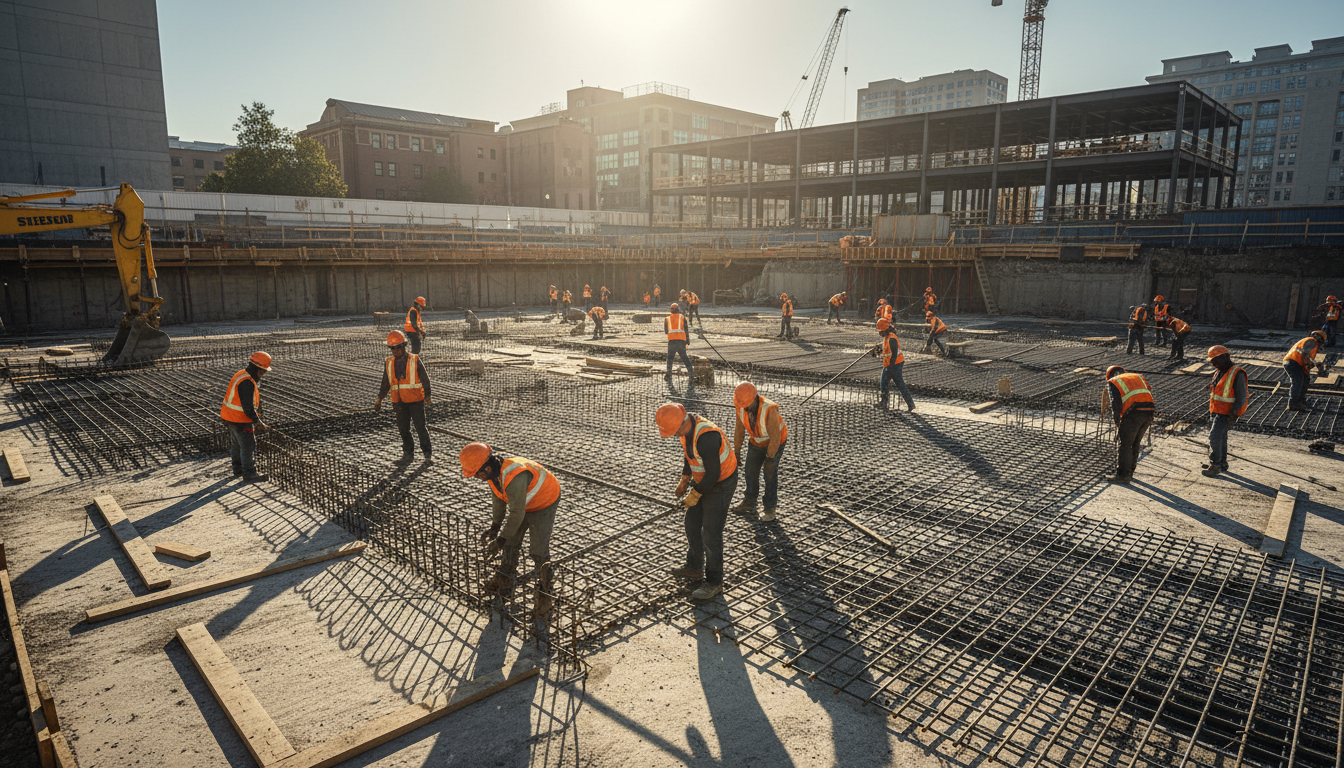
Ensure that your contractor is licensed and insured. Philadelphia requires all contractors to be registered with the city, ensuring they meet specific standards and qualifications. Don't hesitate to ask for proof of insurance and a detailed contract before work begins.
Funding and Budgeting
Proper financial planning is a cornerstone of any construction project. Establishing a realistic budget that includes contingencies for unexpected expenses is critical. Consider all costs, including materials, labor, permits, and potential delays.
Explore various funding options, such as construction loans, grants, or partnerships. Consulting with a financial advisor can provide insights into securing the necessary funds and maintaining a healthy financial balance throughout the project.
Project Management and Timeline
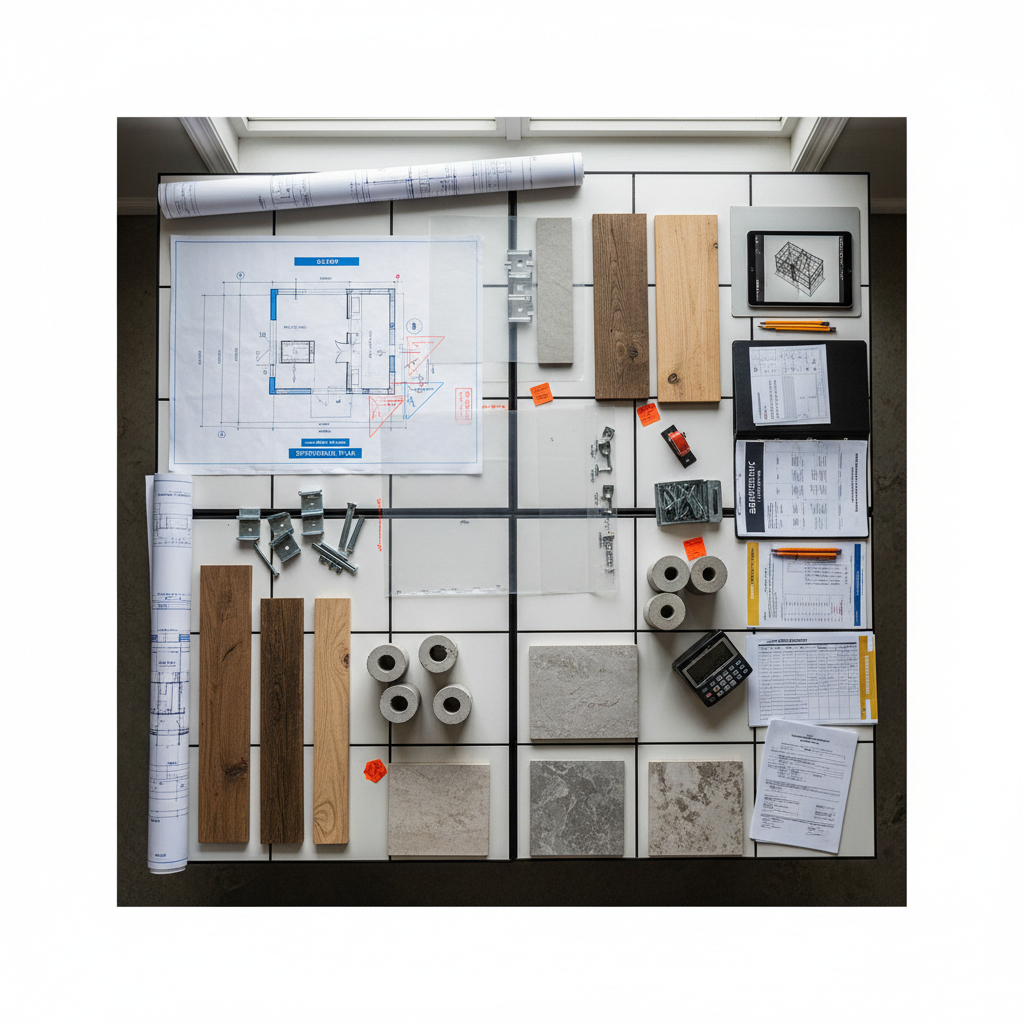
Effective project management ensures that your construction project stays on schedule and within budget. Develop a detailed timeline with your contractor, outlining key milestones and deadlines. Regular communication with all parties involved is crucial to address any issues promptly.
Utilize project management tools and software to keep track of progress and make adjustments as needed. A proactive approach to project management can prevent costly overruns and delays.
Ensuring Safety and Compliance
Safety should be a top priority on any construction site. Adhering to OSHA guidelines and local safety regulations is essential to protect workers and the public. Regular safety training and inspections can help maintain a safe working environment.
Compliance with environmental regulations is also important. Philadelphia has specific rules regarding waste disposal, noise levels, and environmental impact. Ensuring compliance helps avoid fines and promotes sustainable building practices.
Final Inspections and Project Completion
Once construction is complete, a final inspection is required to ensure everything meets the city's standards and regulations. This step is crucial for obtaining a certificate of occupancy and officially concluding the project.
Prepare for this inspection by reviewing all work completed and ensuring that all documentation is in order. Address any issues identified during the inspection promptly to avoid further delays.
Understanding the nuances of Philadelphia's construction process can significantly impact the success of your project. By staying informed and working with the right professionals, you can navigate the complexities of construction with confidence and achieve your building goals.