Case Study: Transforming a Historic Philadelphia Home with Eco-Friendly Materials
Introduction to the Renovation Project
In the heart of Philadelphia, a historic home has undergone a remarkable transformation. This renovation project not only preserved the home's architectural beauty but also integrated *eco-friendly materials* to ensure sustainability for future generations.
The undertaking was a joint effort between local architects, environmental experts, and the homeowners. The goal was to blend the home's rich history with modern, sustainable practices.
Preserving Historical Integrity
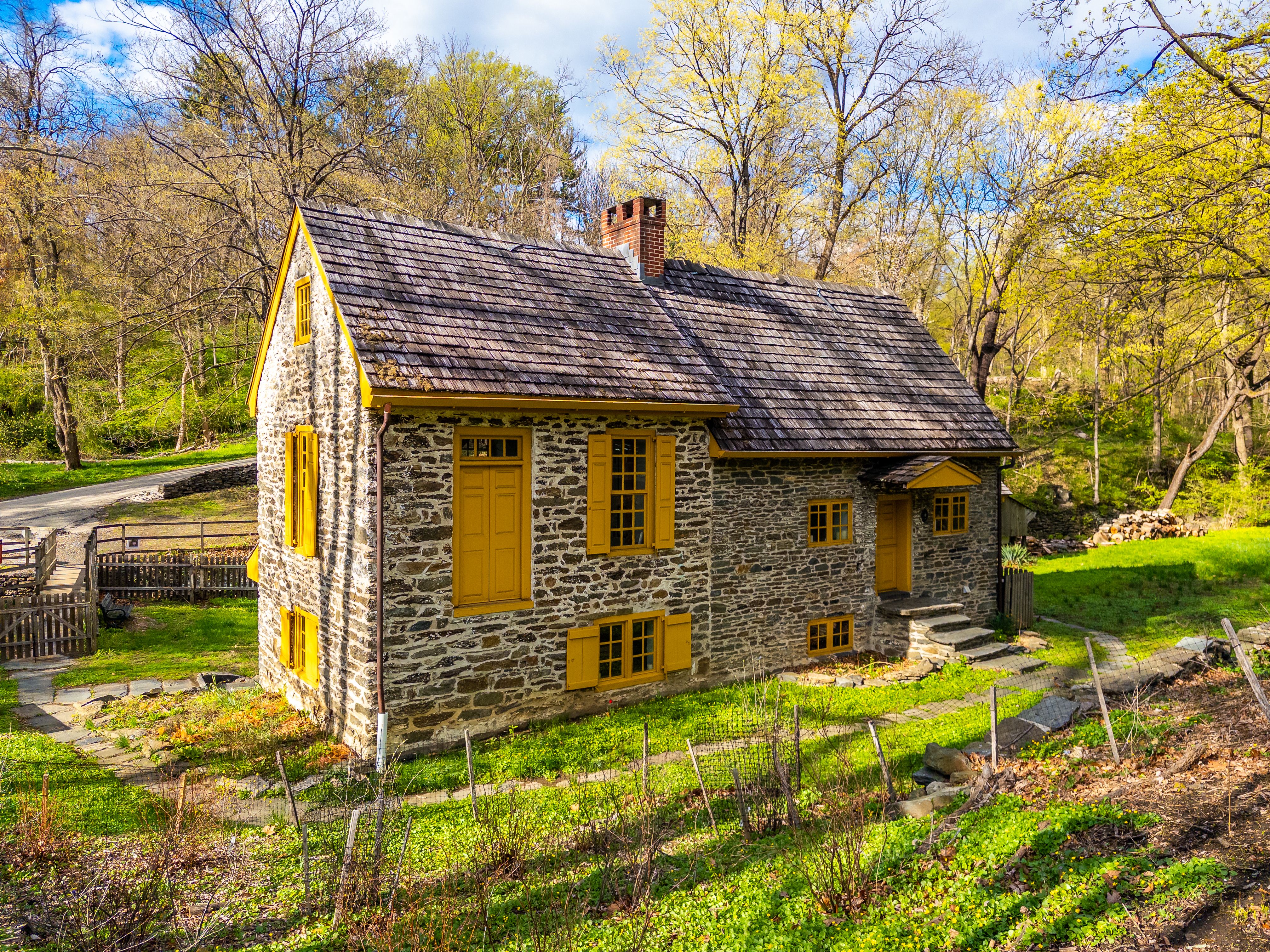
One of the main challenges was maintaining the historical integrity of the home. The team worked diligently to ensure that any updates respected the original design. This required careful selection of materials and techniques that aligned with the building's era.
To achieve this, reclaimed wood and recycled bricks were used extensively. These materials matched the aesthetic of the original structure while minimizing the environmental impact.
Eco-Friendly Materials and Techniques
The renovation focused on several *eco-friendly materials* that contribute to a sustainable and energy-efficient living environment. Here are some key elements:
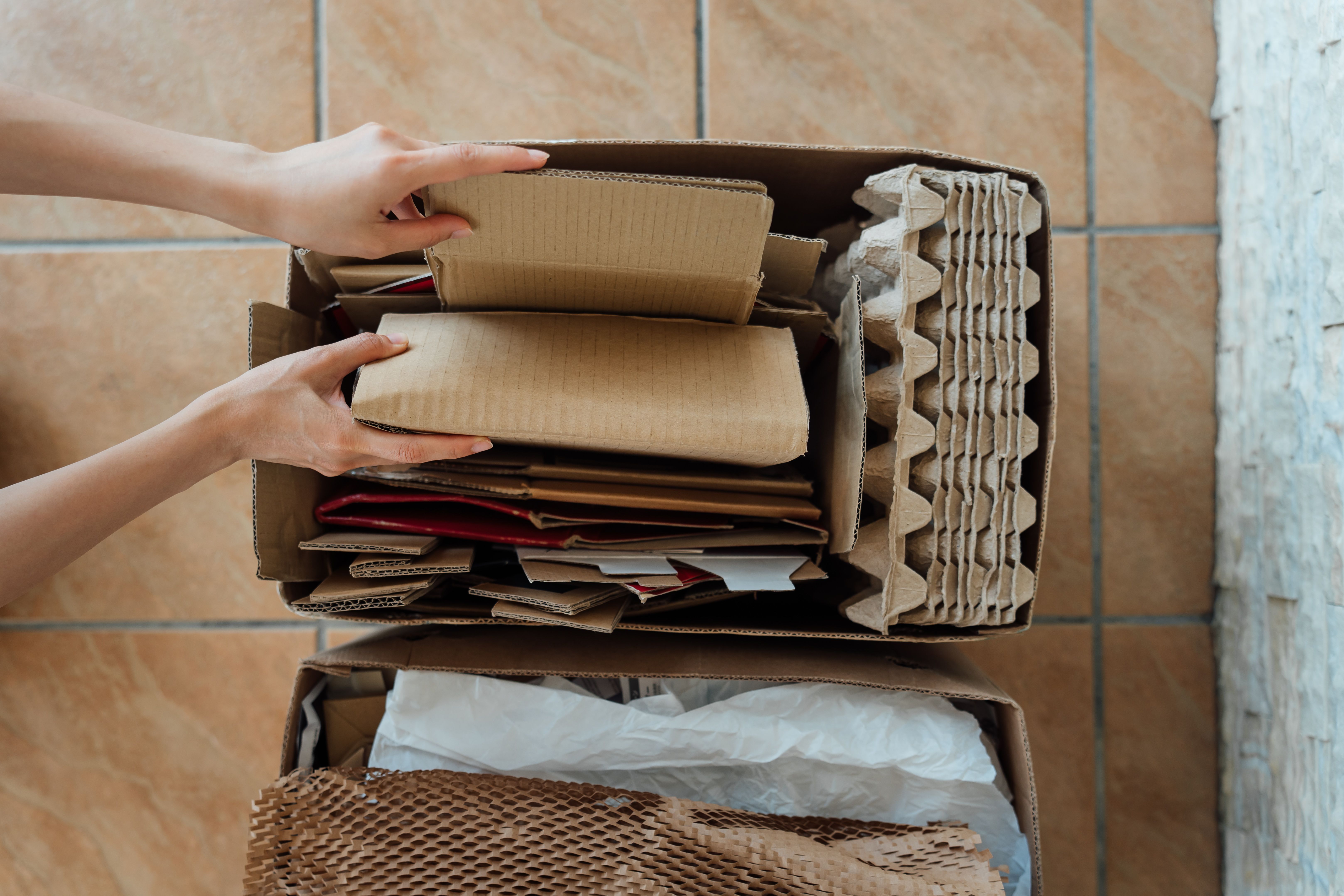
- Insulation: The use of recycled denim insulation improved energy efficiency without sacrificing comfort.
- Solar Panels: Discreetly installed on the roof, solar panels provide clean energy and reduce the home's carbon footprint.
- Low-VOC Paints: These paints help improve indoor air quality by releasing fewer volatile organic compounds.
Innovative Design Solutions
Incorporating modern design elements without compromising the home's historic charm was a key aspect of the renovation. The design team employed several innovative solutions:
- Natural Lighting: Skylights and large windows were added to maximize natural light, reducing the need for artificial lighting.
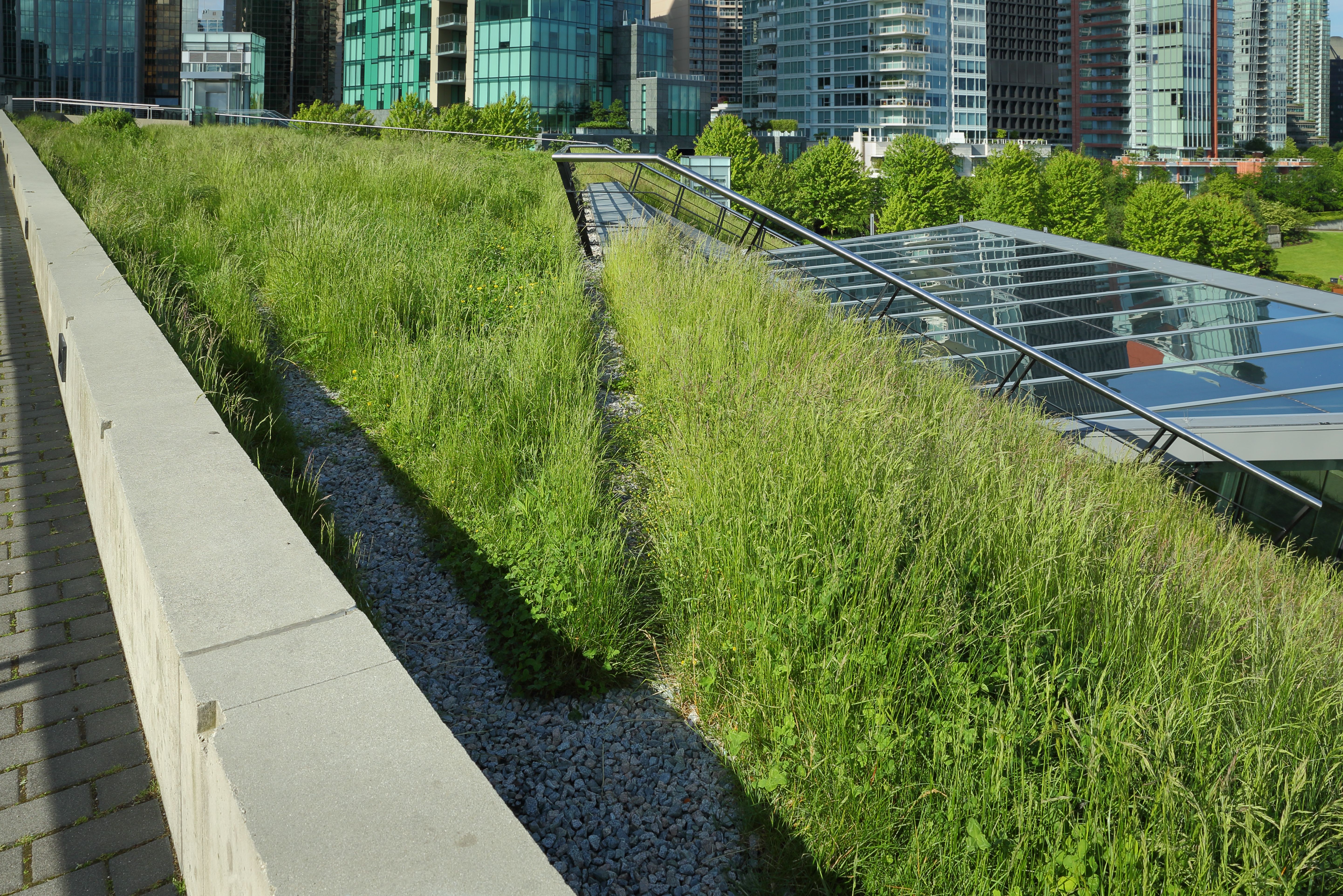
- Green Roofing: A section of the roof was converted into a green space, providing insulation and a habitat for local wildlife.
These additions not only enhance the aesthetics but also contribute to the home's sustainability.
Community Impact and Engagement
The renovation project has made a positive impact on the local community. By demonstrating the feasibility of sustainable renovation, it has inspired other homeowners to consider eco-friendly upgrades.
Workshops and tours have been organized to educate the community about the benefits and techniques of sustainable architecture, fostering a greater appreciation for both history and the environment.
Conclusion and Future Prospects
The successful transformation of this historic Philadelphia home stands as a testament to the possibilities of combining preservation with sustainability. By using *eco-friendly materials* and innovative design, the project sets a new standard for future renovations.
As more historic homes undergo similar transformations, the blend of history and sustainability will continue to enrich communities and protect our planet for generations to come.