Case Study: Successful Smart Home Integration in a Philadelphia Project
Introduction to the Project
In recent years, smart home technology has rapidly evolved, becoming an integral part of modern living. This case study examines a successful smart home integration project in Philadelphia, showcasing the seamless blend of technology and convenience. The project aimed to enhance home functionality, improve energy efficiency, and ensure security for the homeowners.
Project Objectives
The primary objectives of the Philadelphia smart home project were to integrate advanced technology while maintaining the aesthetic appeal of the home. The homeowners wanted a system that was not only efficient but also easy to use. Key goals included:
- Improving energy management through smart thermostats and lighting.
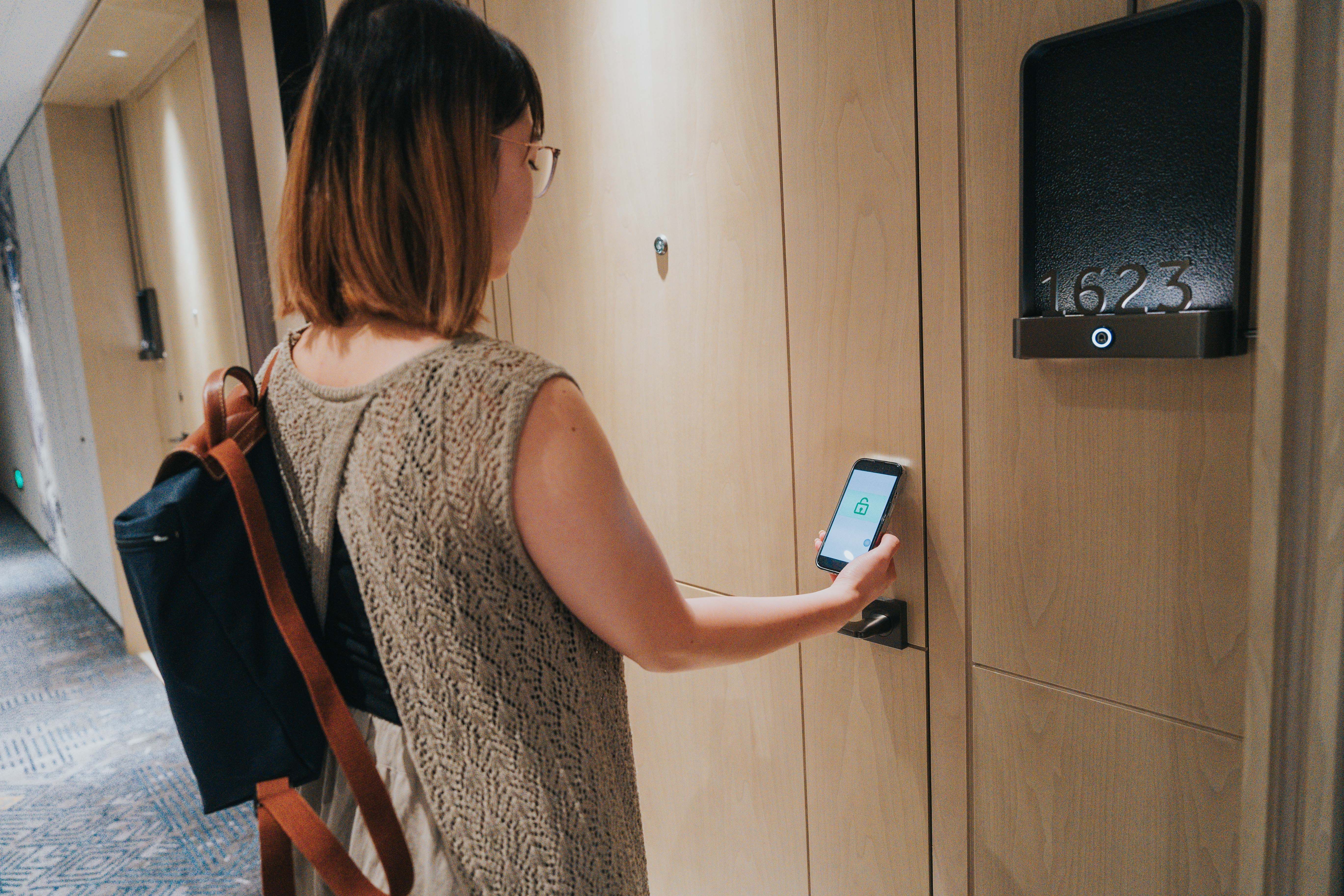
- Enhancing security with surveillance cameras and smart locks.
- Integrating entertainment systems for a cohesive user experience.
Implementation Process
The implementation of the smart home system was handled by a team of experts specializing in home automation. The process began with a thorough assessment of the existing infrastructure to identify areas for improvement. This included evaluating electrical systems, internet connectivity, and the layout of the home.
Once the assessment was complete, the team developed a customized plan that aligned with the homeowners' objectives. The installation phase included setting up smart devices, configuring software, and ensuring compatibility among various systems. Attention to detail was crucial to ensure a smooth and efficient integration.
Technologies Used
The project utilized a range of cutting-edge technologies to achieve its goals. Key components included:
- Smart Thermostats: These were employed to optimize heating and cooling, leading to significant energy savings.
- Automated Lighting: Motion sensors and programmable lights were installed to enhance convenience and reduce energy consumption.
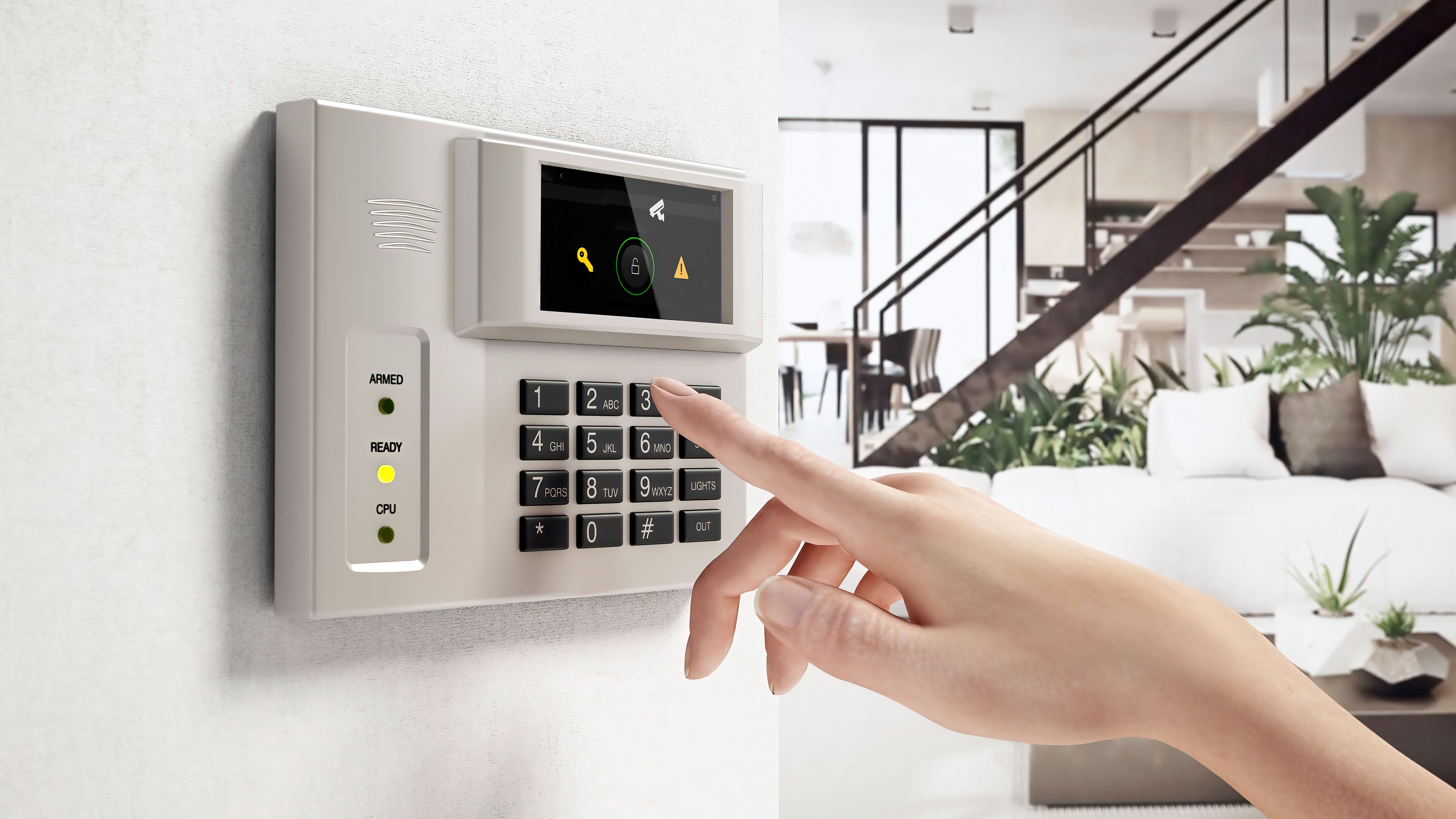
- Security Systems: High-definition cameras and smart locks provided enhanced security, allowing homeowners to monitor their property remotely.
Challenges Faced
Despite the success of the project, several challenges were encountered during the integration process. One significant challenge was ensuring compatibility between different devices and platforms. The team had to carefully select products that could communicate effectively with each other.
Another challenge was maintaining the balance between technology and the home's aesthetic. The installation had to be discreet, ensuring that smart devices did not detract from the visual appeal of the living spaces.
Results and Benefits
The successful integration of smart home technology in this Philadelphia project resulted in numerous benefits for the homeowners. Energy consumption was reduced by 30%, leading to lower utility bills. The enhanced security system provided peace of mind, with the ability to monitor the home from anywhere in the world.

Moreover, the integration of entertainment systems streamlined media access and control, offering a more enjoyable and convenient user experience. The project demonstrated that smart technology could significantly enhance the quality of life for homeowners.
Conclusion
This case study highlights the potential of smart home technology to transform living spaces in urban environments like Philadelphia. By focusing on user-friendly solutions and careful planning, the project successfully integrated advanced systems without compromising on aesthetics or functionality.
The Philadelphia project serves as an inspiring example for future smart home initiatives, illustrating that with the right approach, technology can be seamlessly woven into the fabric of everyday life.