Case Study: Successful Residential Construction Projects in Philadelphia
Introduction
The residential construction landscape in Philadelphia is thriving, with numerous projects setting benchmarks in design, sustainability, and community impact. This case study explores several successful residential construction projects in the city, highlighting the key factors that contributed to their success.
Innovative Design Approaches
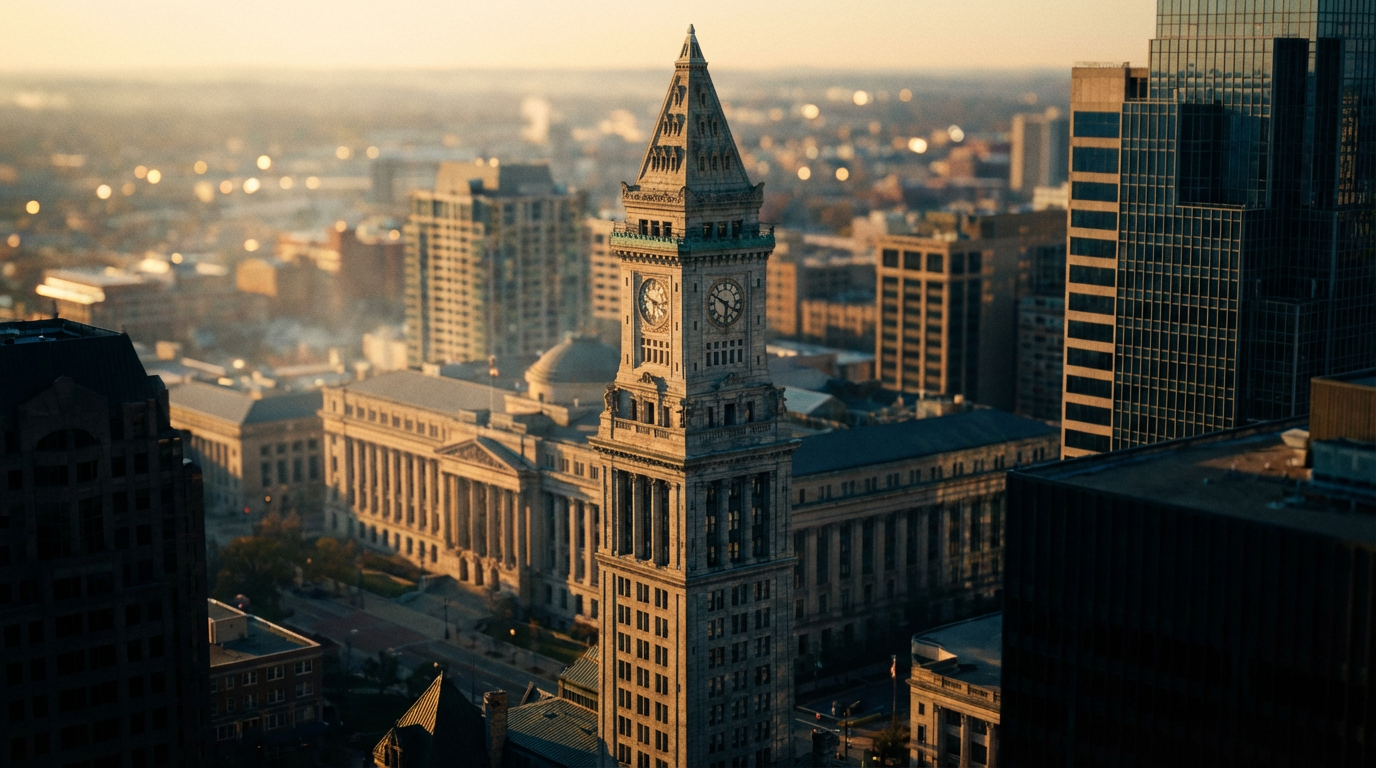
One of the standout features of these projects is their innovative design. Architects and builders in Philadelphia are increasingly focusing on blending modern aesthetics with historical elements. This approach not only preserves the city's rich architectural heritage but also introduces fresh, contemporary living spaces.
For instance, many projects incorporate open floor plans and large windows to maximize natural light, creating a sense of openness and connection with the outdoors. Such designs are particularly appealing in urban settings where space is at a premium.
Sustainability as a Core Principle
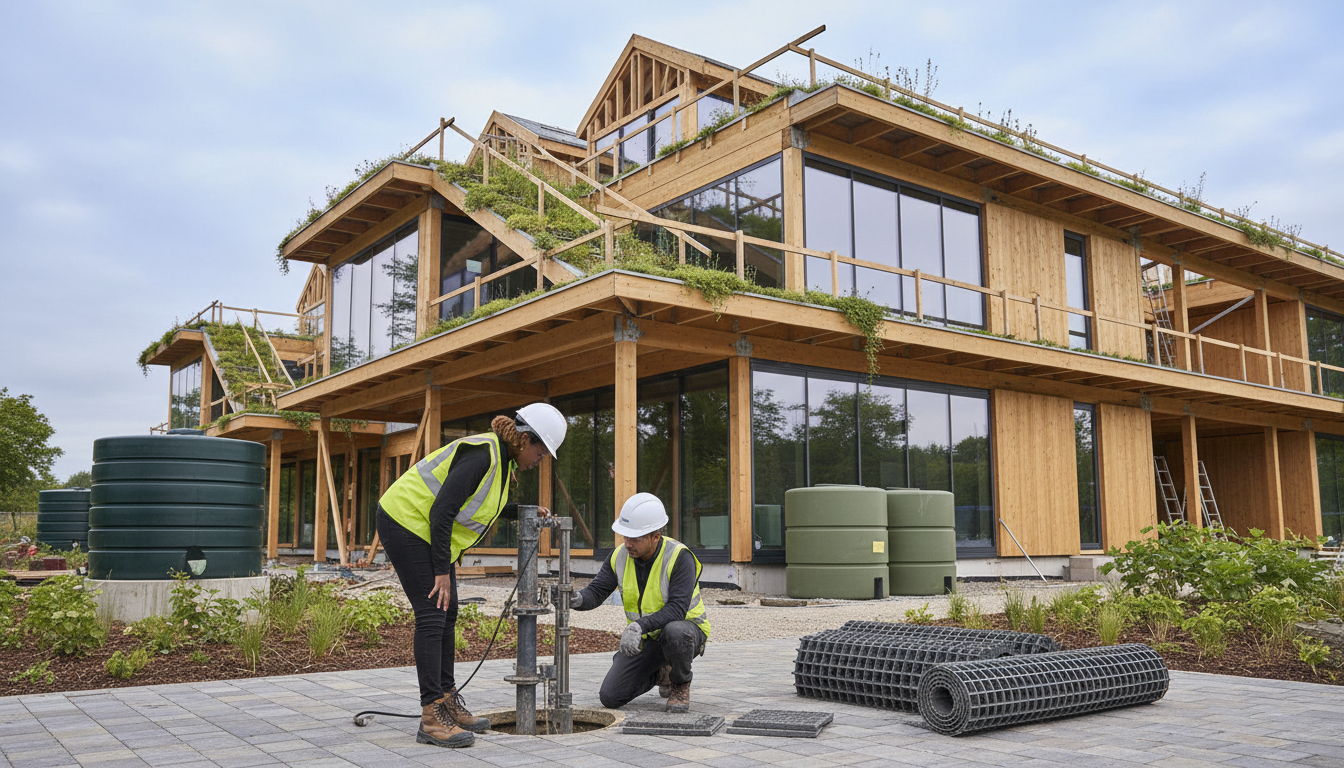
Sustainability is at the forefront of residential construction in Philadelphia. Developers are prioritizing eco-friendly materials and energy-efficient technologies. By integrating solar panels, green roofs, and rainwater harvesting systems, these projects significantly reduce their environmental footprint.
Moreover, sustainable practices are not just limited to construction materials. The use of smart home technologies for energy management is becoming a standard feature, offering residents both convenience and cost savings.
Community Engagement and Impact
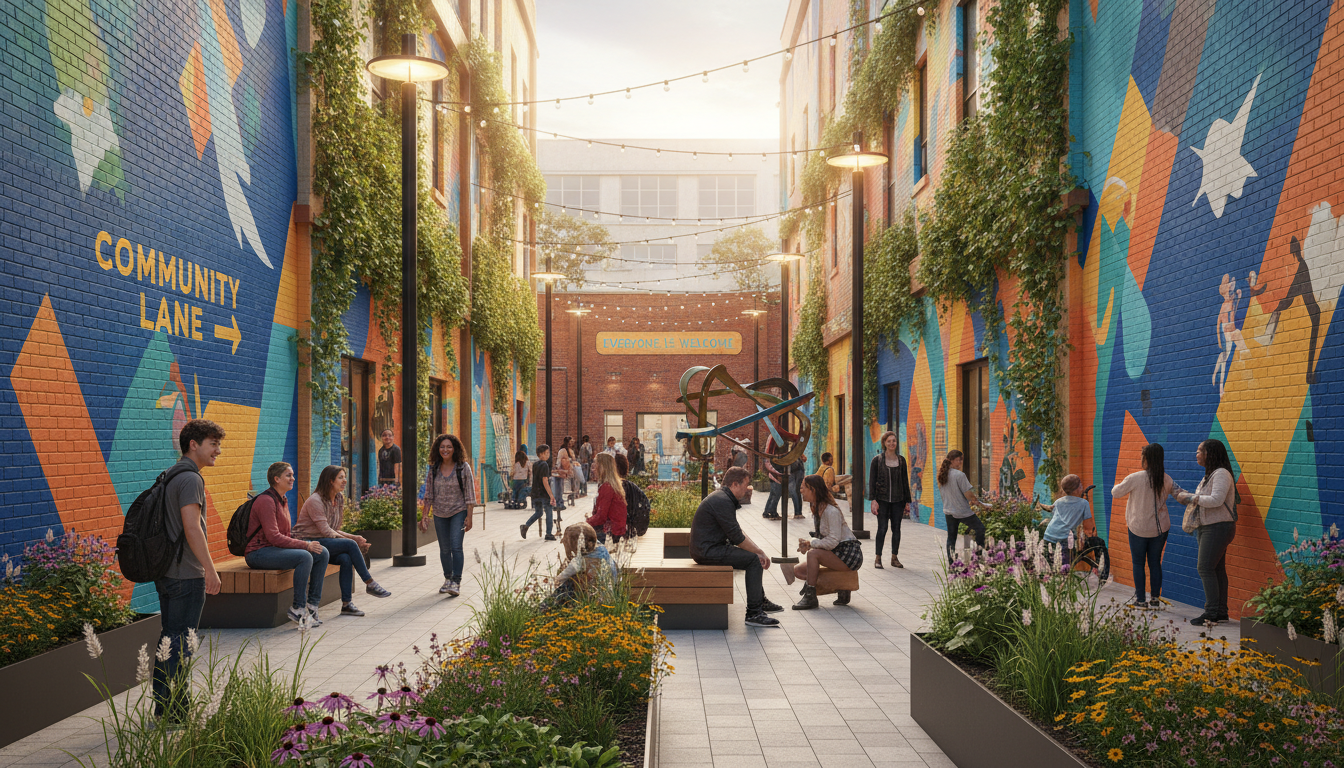
Successful residential projects in Philadelphia are also characterized by their strong community engagement. Developers understand the importance of creating spaces that foster community interaction and support local businesses.
Projects often include communal spaces such as gardens, playgrounds, and recreational areas, encouraging residents to come together and form a sense of community. Additionally, collaborations with local artists and businesses help integrate these projects into the existing neighborhood fabric.
Challenges and Solutions
Despite their success, these projects face several challenges, including regulatory hurdles, budget constraints, and the need to balance modern demands with historical preservation. However, innovative problem-solving and strategic partnerships have enabled developers to overcome these obstacles.
By engaging with local authorities and stakeholders early in the planning process, developers can navigate regulatory challenges more effectively. Additionally, leveraging public-private partnerships can provide necessary funding and resources.
Conclusion
Philadelphia's successful residential construction projects serve as a model for urban development, demonstrating how innovative design, sustainability, and community engagement can create vibrant, livable spaces. As the city continues to evolve, these projects offer valuable insights into the future of residential construction.
By prioritizing these key factors, other cities can learn from Philadelphia's example to foster growth and create sustainable, inclusive communities.