Case Study: Successful Ground-Up Development Projects in Philadelphia
Introduction to Ground-Up Development
Ground-up development projects are transforming the urban landscape across major cities, and Philadelphia is no exception. These projects involve constructing new buildings from scratch, offering a fresh canvas to architects and developers. Philadelphia's unique blend of historical charm and modern innovation makes it an exciting place for these developments.
In this case study, we'll explore some successful ground-up development projects in Philadelphia, highlighting their impact on the community and the strategies that led to their success.

The Importance of Site Selection
One of the earliest and most crucial steps in ground-up development is site selection. In Philadelphia, developers carefully consider factors such as location, accessibility, and zoning regulations. A well-chosen site can significantly influence the project's success.
For instance, choosing a site in a rapidly developing neighborhood can enhance the project's value and appeal. The proximity to public transportation, schools, and other amenities also plays a critical role in attracting potential residents and businesses.
Case Study: The Avenue Project
The Avenue Project is a perfect example of strategic site selection. Located in a bustling area with excellent transit access, the project has become a hub for young professionals and families. Its success underscores the importance of choosing the right location to meet market demands.
Innovative Design and Architecture
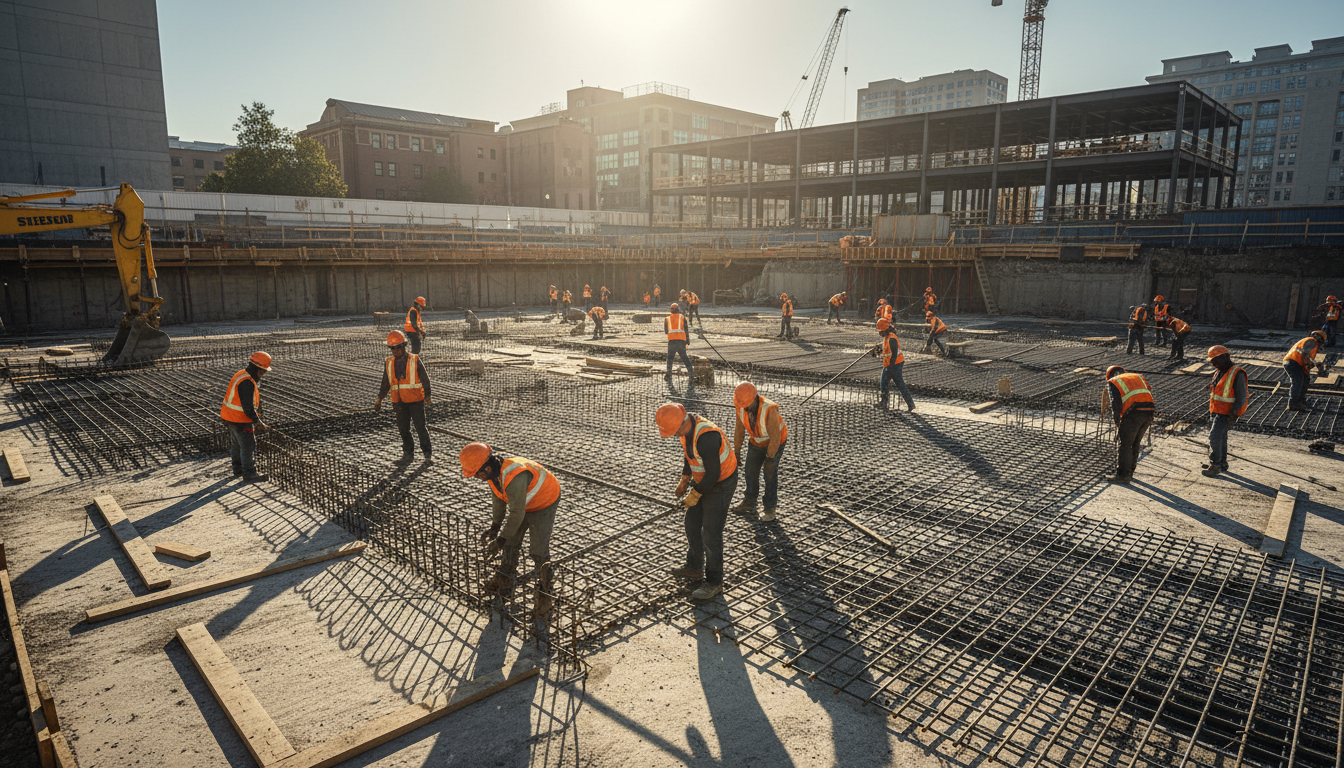
Another key to successful ground-up developments in Philadelphia is innovative design and architecture. Developers are increasingly focusing on sustainable and aesthetically pleasing designs that complement the city's historic architecture while offering modern amenities.
Projects that incorporate green building practices and energy-efficient technologies are particularly appealing to environmentally conscious buyers and renters. This approach not only reduces environmental impact but also lowers long-term operational costs.
Case Study: EcoLiving Towers
EcoLiving Towers stands out as a beacon of sustainable development. With solar panels, green roofs, and rainwater harvesting systems, the project has set new standards for eco-friendly living in Philadelphia. These features have attracted residents who prioritize sustainability and innovation.

Community Engagement and Impact
Successful ground-up development projects often involve active community engagement. Developers in Philadelphia understand the importance of working closely with local residents and stakeholders to ensure that projects align with community needs and values.
This collaboration fosters a sense of ownership and pride among community members, leading to long-term success and harmony between new developments and existing neighborhoods.
Case Study: The Community Hub
The Community Hub is a shining example of effective community engagement. By involving local artists and entrepreneurs in the planning process, the project has created a vibrant space that reflects the neighborhood's unique culture and spirit.
Conclusion: Lessons Learned
The success of ground-up development projects in Philadelphia offers valuable lessons for developers and city planners alike. Key strategies include strategic site selection, innovative design, and active community engagement. These elements not only contribute to the project's success but also enhance the city's overall growth and vitality.
As Philadelphia continues to evolve, ground-up developments will play a crucial role in shaping its future, providing new opportunities for both residents and businesses. The case studies discussed highlight the potential for thoughtful, well-executed projects to make a lasting impact.